
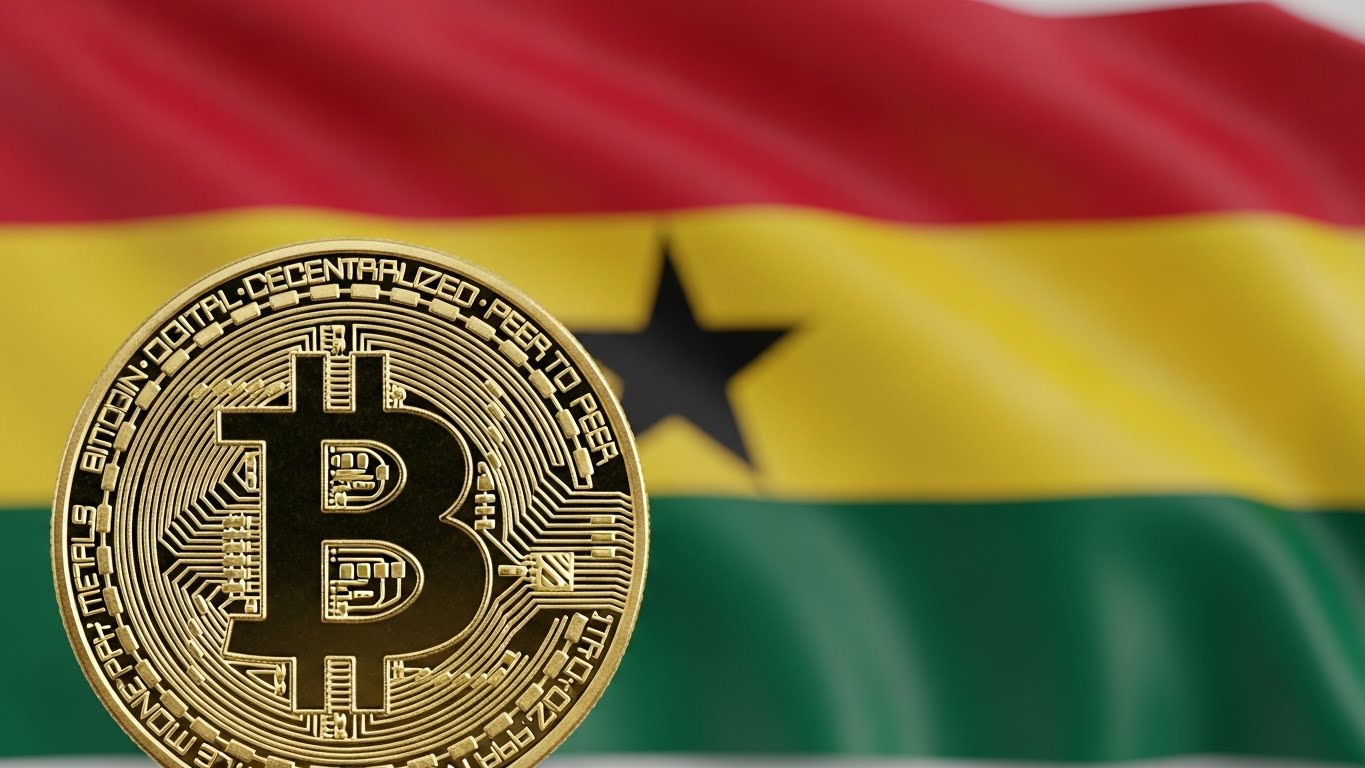
Ghana has officially legalised cryptocurrency trading under a new digital asset law, marking a major shift in how the country approaches blockchain technology and virtual assets. The move ends years of uncertainty for crypto users and businesses, bringing trading activities under a formal legal and regulatory framework for the first time.
Under the new law, cryptocurrency trading is now recognised as a lawful financial activity in Ghana. This means individuals and businesses can buy, sell, and hold digital assets without operating in a legal grey area. The legislation also provides the foundation for regulating crypto exchanges, wallet providers, and other virtual asset service providers operating within the country.
Oversight of the crypto market will be led by the Bank of Ghana, which has been given the authority to license and supervise crypto-related businesses. Service providers will be required to meet compliance standards covering governance, consumer protection, and financial integrity. Regulators are expected to issue detailed guidelines outlining licensing requirements, operational rules, and reporting obligations in the coming months. A key focus of the new law is risk management.
By bringing crypto trading into the formal financial system, authorities aim to address concerns around fraud, money laundering, and unregulated market practices. Mandatory anti-money-laundering and know-your-customer measures will apply to licensed providers, aligning Ghana’s approach with international regulatory standards.
The decision reflects the growing role of cryptocurrencies in Ghana’s economy. Crypto assets are already widely used for trading, cross-border payments, and savings, particularly among younger and tech-savvy populations. Legal recognition is expected to improve trust in the market while encouraging responsible innovation and investment.
Ghana’s move also places it among a growing number of African countries choosing regulation over restriction.
Rather than banning crypto activity, policymakers are opting to integrate digital assets into existing financial frameworks, balancing innovation with oversight.
As implementation begins, industry participants expect increased participation from compliant exchanges and fintech firms, alongside greater protection for users. With crypto trading now legally recognised, Ghana is positioning itself as a more structured and credible market for digital assets in West Africa.
Read also: South Africa Licenses 248 Crypto Service Providers