
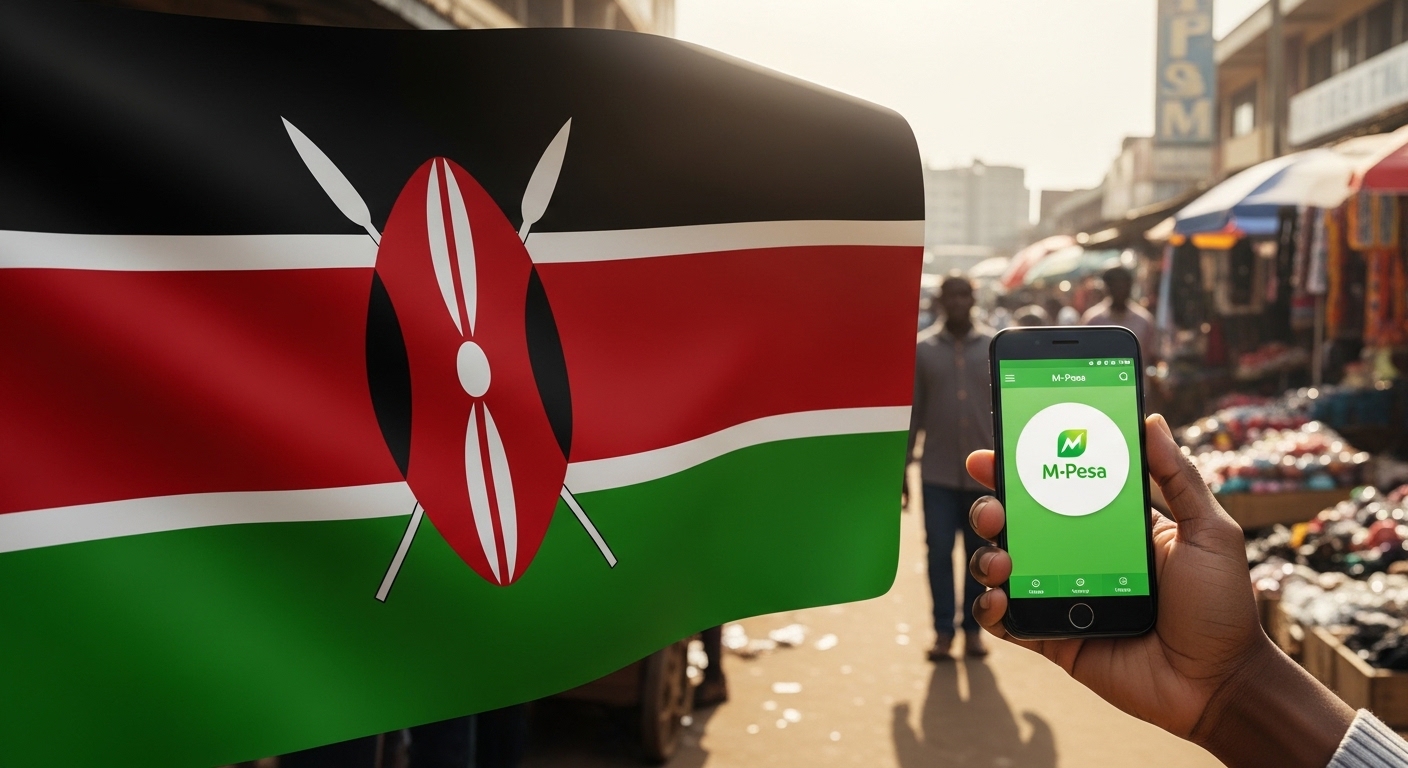
Kenya’s capital market is entering a new phase of accessibility as mobile money infrastructure begins to merge directly with public equity trading. Recent developments around the Nairobi Securities Exchange (NSE) and Safaricom’s Ziidi Trader signal a structural change in how everyday investors can participate in listed shares, removing several long-standing procedural barriers that previously limited retail involvement.
Traditionally, anyone seeking to buy or sell NSE-listed stocks needed to open a Central Depository System (CDS) account through a licensed broker, complete identity verification, and fund that brokerage relationship before placing trades. While effective from a regulatory standpoint, this process created friction for first-time investors, particularly those outside major urban centers or without prior exposure to formal financial markets.
Ziidi Trader introduces a different pathway. Embedded within the widely used M-PESA environment, the platform enables users to view listed companies, place buy or sell orders, and settle transactions using their existing mobile money balances. Instead of each user opening an individual CDS account, trades are facilitated through a broker-managed omnibus structure, allowing participation without the traditional onboarding sequence while still operating within regulated market channels.
This integration reflects a broader evolution in African financial services, where mobile money has progressively expanded from payments into savings, credit, insurance, and now capital market access. By aligning stock trading with a tool already trusted for daily financial activity, the NSE ecosystem is positioned to reach demographics historically excluded from equity ownership.
Operational limits may still apply. Reported transaction ceilings appear connected to standard mobile money thresholds, meaning very high-value trades could continue to flow through conventional brokerage routes. Even so, the practical effect is significant: smaller, frequent investments,often the entry point for new investors,become far easier to execute.
Beyond convenience, the deeper implication lies in market participation. Increased retail access can improve liquidity, broaden ownership distribution, and strengthen the cultural relevance of public markets within the national economy. For younger, mobile-first populations, the psychological distance between saving money and investing it in productive assets is narrowing.
Kenya has long been recognized as a global leader in mobile financial innovation. Extending that leadership into securities trading suggests a future where participation in capital markets is shaped less by paperwork and proximity to brokers, and more by digital reach, trust, and everyday usability,a shift that could influence how emerging markets approach investment access in the years ahead.
Read also: South Africa’s Central Bank Warns Stablecoins Could “Break Apart”