

Ghana has taken a major step toward formalising its digital asset sector with the launch of a crypto regulatory sandbox. In this controlled environment, companies can test digital asset products and services under the supervision of the country’s financial regulators.
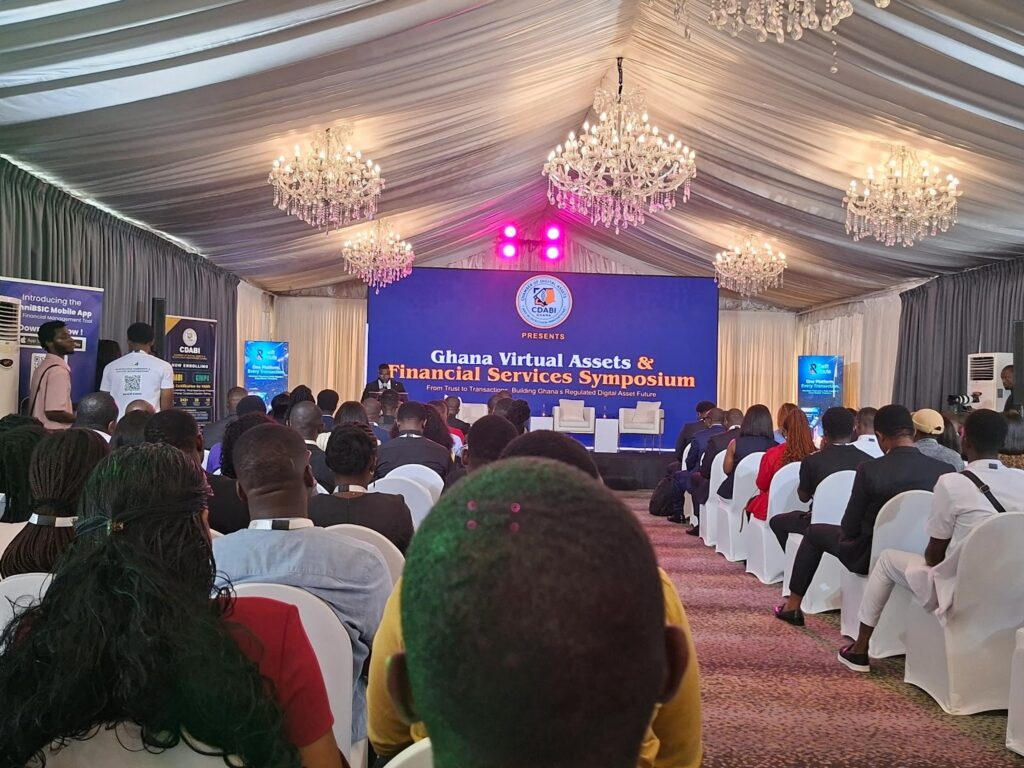
The initiative was highlighted this week during the Ghana Virtual Assets and Financial Services Symposium in Accra, where officials outlined plans to implement the country’s Virtual Asset Service Providers (VASP) Act, 2025, a law passed late last year aimed at bringing digital asset activities under regulatory oversight.
What the sandbox means
A regulatory sandbox allows firms to experiment with innovative financial products, such as crypto exchanges, custody services, token issuance platforms, and digital asset wallets, in a controlled setting before seeking full licences to operate. The sandbox framework is designed to encourage innovation while implementing safeguards to protect investors and ensure compliance with anti-money laundering and counter-terrorism financing standards.
Six fintech companies have already been admitted into the initial round of the sandbox pilot. These firms will help regulators assess how virtual asset services function in real market conditions before final rules and licensing requirements are published.
Categories being tested in the sandbox include:
- Virtual asset exchanges and trading platforms
- Token issuance services
- Exchange-traded digital asset funds
- Custody solutions
- Brokerage and advisory services
- Asset management and tokenisation services
- Mining and validation services on securities-type assets
Balancing innovation and monetary stability
Ghana’s regulators emphasised that while the sandbox supports innovation, it also aims to ensure that digital asset growth does not undermine the role of the national currency, the Ghanaian cedi. Officials from both the Securities and Exchange Commission (SEC) and the Bank of Ghana (BoG) underscored the need for transparency, investor protection and compliance with global standards such as the Financial Action Task Force (FATF) Travel Rule.
At the symposium, BoG representatives were clear that digital assets should complement the financial system and not create a “parallel” or uncontrolled market. The central bank also noted its monitoring of foreign-backed digital assets and even mentioned the possibility of issuing a cedi-backed stablecoin in future to support monetary stability.
What comes next?
Regulators said the sandbox guidelines will be published soon, paving the way for additional companies to participate and for more detailed testing of virtual asset products. The lessons learned from the sandbox pilot will help shape the broader licensing frameworks that will be rolled out throughout 2026 as the VASP Act comes into full effect.
Since the VASP law was passed, Ghana has seen a significant rise in crypto activity, with over 100 crypto firms registering operations in the country, a reflection of both growing market interest and the regulator’s willingness to create a structured, compliant environment for digital assets.
Read also: AfriCrypt Case Resurfaces as Founders Return to South Africa