
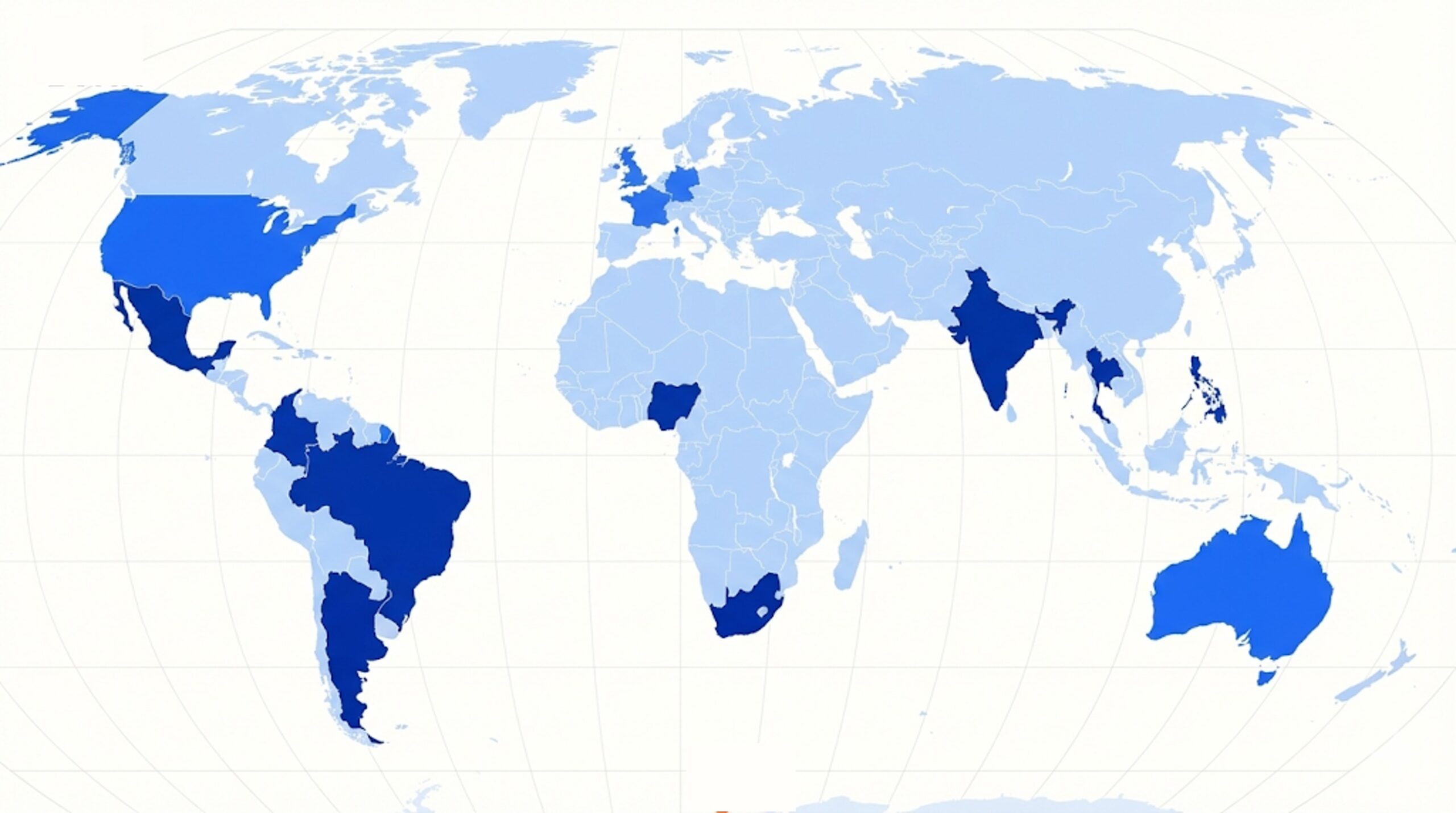
Stablecoins are gaining ground in Africa as more people and businesses turn to digital solutions for stability and convenience. According to the 2026 Stablecoin Utility Report, Africa now holds the highest stablecoin ownership rate globally. The data shows that a significant majority of crypto users across the continent either already hold stablecoins or plan to acquire them. This is not a marginal uptick. It reflects a structural shift in how digital assets are being used across African markets.
Two countries are central to this growth: Nigeria and South Africa. While the drivers differ slightly between both markets, the direction is the same , stablecoins are becoming practical financial tools rather than speculative assets.
In Nigeria, economic realities continue to shape behaviour. Currency volatility, foreign exchange constraints and rising inflation have pushed individuals and small businesses to seek alternatives for preserving value. Dollar-pegged stablecoins provide easier access to foreign-denominated liquidity without relying on traditional banking systems. For freelancers receiving international payments, importers settling cross-border invoices, and families sending remittances, stablecoins reduce delays and bypass common FX bottlenecks.
South Africa presents a more infrastructure-driven story. The country has a comparatively mature crypto ecosystem, stronger exchange liquidity and growing institutional engagement. Stablecoins are being integrated into trading strategies, decentralised finance applications and treasury operations. Businesses are also exploring them for faster settlement and cross-border transactions within the Southern African region.
What stands out in the report is the change in utility. Stablecoins across Africa are increasingly used for salary payments, savings, remittances and merchant transactions. This marks a clear departure from the earlier cycle of crypto adoption, which was largely trading-focused. The behaviour now reflects demand for stability, access and speed.
Regulatory clarity and compliance frameworks will inevitably shape the next phase of this growth. As usage scales, authorities across the continent are paying closer attention to taxation, reporting obligations and consumer protection measures. The conversation is no longer about whether stablecoins are relevant , it is about how they fit into national financial systems.
Africa is not lagging behind in digital finance innovation. In stablecoin adoption, it is ahead of many established markets. If current trends continue, stablecoins could become a foundational payment and savings rail across the continent within the next few years , particularly in economies where access to stable foreign currency remains limited.
Read also: Perplexity Launches AI Agent to Run Tasks Across Apps