

Aave Labs announced the launch of Aave V4 on the Ethereum mainnet, unveiling a new architecture designed to improve liquidity efficiency and simplify the creation of lending markets within the decentralized finance (DeFi) ecosystem.
The upgrade introduces a “Hub-and-Spoke” system, a structure that allows multiple lending markets to share liquidity while maintaining separate risk environments.The update arrives as DeFi protocols continue searching for ways to scale lending services without fragmenting liquidity across multiple pools. In earlier versions of lending platforms, each market often relied on its own liquidity pool, forcing new markets to compete for deposits before they could function effectively.
Aave’s latest upgrade attempts to address this challenge through a structural change in how liquidity is managed. Instead of separating liquidity across isolated markets, the protocol now uses a unified system that distributes liquidity across different lending environments.
The new design could make it easier for developers to launch specialized markets while still benefiting from a shared liquidity base. By reducing the need for every market to bootstrap its own deposits, the protocol aims to improve both capital efficiency and accessibility for builders within the ecosystem.
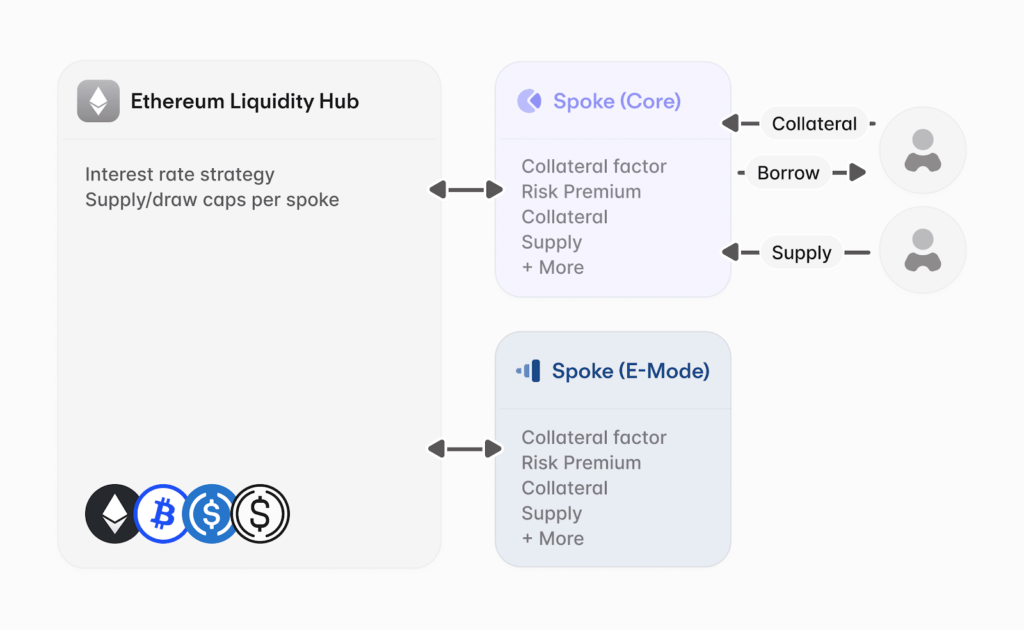
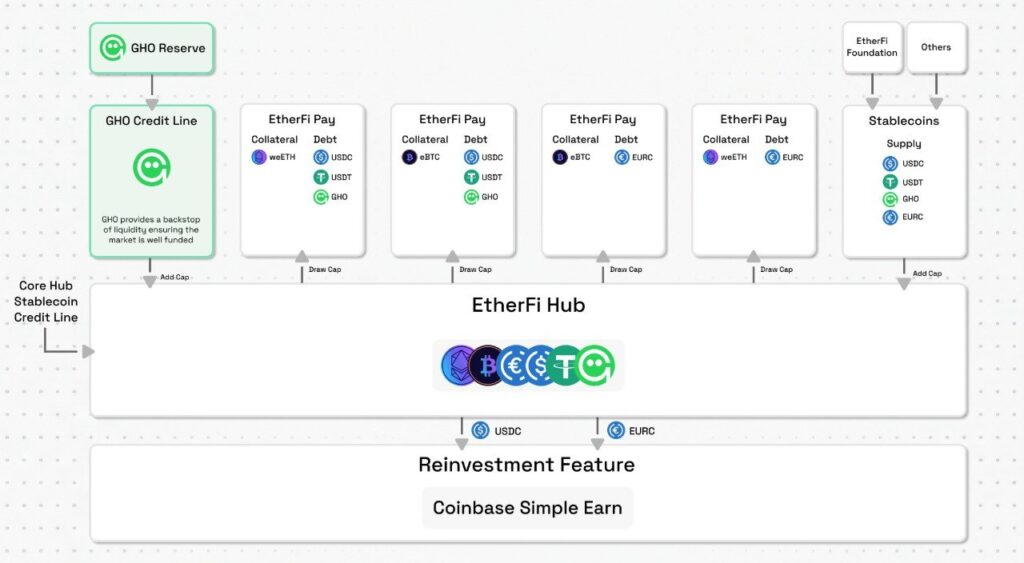
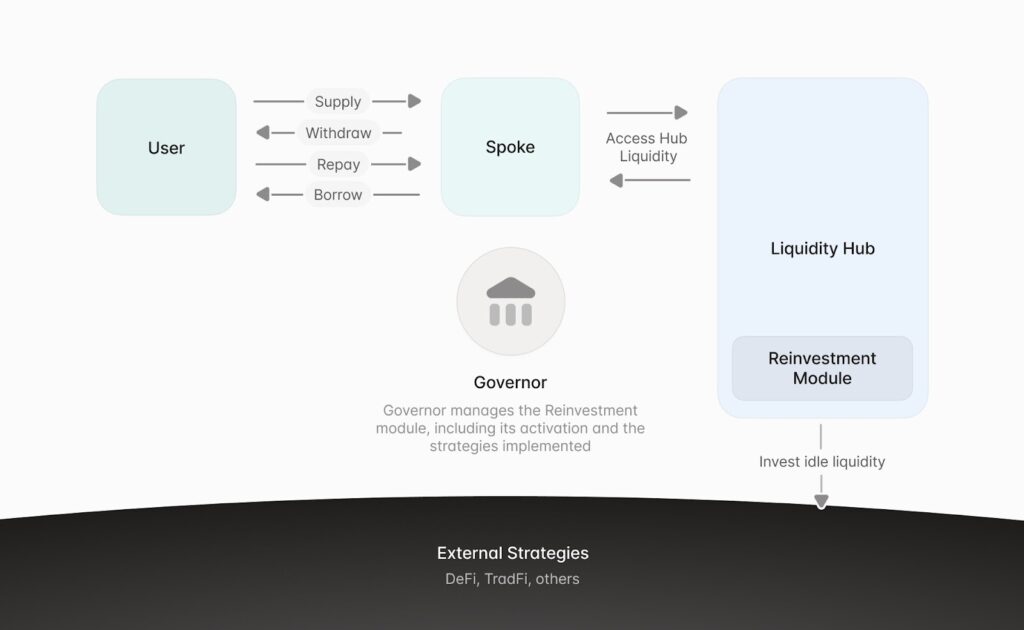
The upgrade is a Liquidity Hub, which serves as the main pool where users deposit assets. Instead of each lending market maintaining its own isolated pool, liquidity is gathered in this central hub and distributed to connected markets called Spokes.
Each spoke represents a specialized lending environment with its own rules, supported assets, and risk parameters. Because they all draw liquidity from the same hub, these markets avoid the fragmentation that typically occurs when liquidity is spread across multiple independent pools.
This structure allows lending markets to operate independently while still benefiting from a shared liquidity base.
New Features and Ecosystem Participation
One key addition is granular collateral pricing, which allows assets to be evaluated more precisely within the lending system. This enables the protocol to apply tailored borrowing limits and risk parameters to different assets rather than using a single model.
The upgrade also expands the range of supported collateral, including NFT-based assets and other data-driven collateral types. In addition, a Reinvestment Module has been introduced to ensure that idle liquidity within the system can generate yield instead of remaining unused.
Aave’s native stablecoin, GHO, is also more deeply integrated into the platform, strengthening its role in borrowing and lending activities.
Several projects in the Ethereum ecosystem are expected to launch their own spokes under the new system. Early participants include Lido, EtherFi, Kelp, Ethena, and Lombard, which may introduce specialized lending markets tied to their respective assets.
Implications for the DeFi Ecosystem
The new architecture may significantly lower the barriers for developers looking to launch lending markets. Traditionally, new DeFi markets must attract their own liquidity before becoming functional. With Aave V4, developers may be able to connect directly to the shared liquidity hub, reducing the need to bootstrap deposits from scratch.
In the short term, the listing of assets and creation of markets will remain under the oversight of Aave governance, providing a layer of control as the new system develops.
Following the announcement, the AAVE token traded at around $98, reflecting continued market attention toward the protocol’s latest upgrade.
The release of Aave V4 signifies changes in how decentralized lending infrastructure may evolve. By introducing shared liquidity and modular lending environments, the protocol is positioning itself not only as a lending platform but also as a foundation on which other DeFi markets can be built.