

Security remains one of the biggest challenges in decentralized finance (DeFi). Even as protocols grow and attract more users, smart contract risks, coding errors, and overlooked system components continue to create entry points for attackers. Also, the lack of a central authority means incidents often unfold fast, with limited room for intervention once funds are moved. Furthermore, recent events across the crypto industry show that both technical flaws and control mechanisms still shape how “decentralized” these systems really are.
In the middle of this ongoing pressure on the sector, decentralized lending protocol Scallop came under pressure after reports confirmed an exploit that led to the loss of about 150,000 SUI on the Sui network. The incident quickly raised concern, especially as early on-chain signals showed unusual activity linked to the protocol.
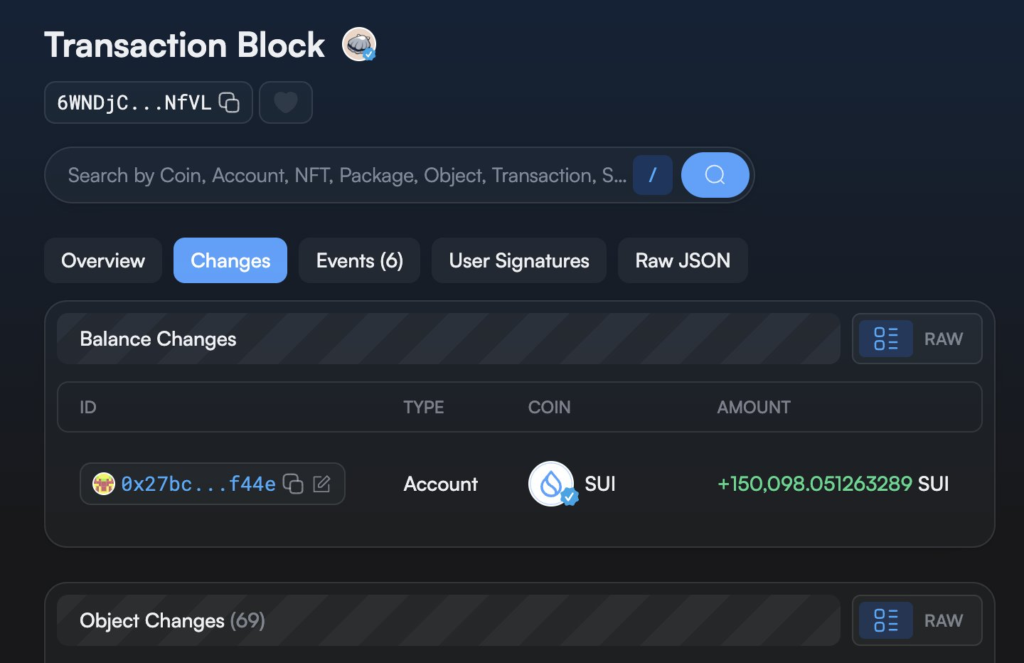
However, In an updated statement, the team said the issue did not originate from its core protocol but was isolated to a deprecated rewards contract, an older component no longer central to its operations. The protocol has since unfrozen its core contracts, and deposits and withdrawals are running normally. Most importantly, also, the team stressed that user funds were not impacted and remained safe.
This clarification, however, does not eliminate the significance of the incident. It instead reframes it. Exploits that hit core lending logic often create systemic risk, affecting collateral pools and triggering liquidations. An issue tied to a peripheral or deprecated contract, by contrast, is typically more contained in impact. It also highlights a different kind of weakness,one rooted in oversight rather than active system failure.
The timing of the Scallop incident is notable. It comes amid a string of recent events, including the exploit tied to wallets on Arbitrum linked to Kelpa DAO, which saw funds compromised under similar conditions of smart contract vulnerability. Furthermore, last week, Tether froze multiple wallets on the TRON network, reinforcing its ability to intervene directly in on-chain activity.
Taken together, these developments expose a growing tension in the industry. On one hand, exploits like those affecting Scallop and Arbitrum-linked wallets highlight technical fragility,gaps in code, oversight, and contract lifecycle management. On the other hand, actions like wallet freezes by Tether point to centralized control mechanisms embedded within supposedly decentralized systems. Furthermore, this dual reality continues to challenge one of crypto’s core value propositions: trustless and censorship-resistant finance.
The episode reflects a familiar fault line across decentralized finance, including more established ecosystems like Ethereum. As protocols evolve, older smart contracts,especially those linked to rewards or incentives,often remain on-chain. If they are not fully shut down or secured, they can become easy entry points for attackers. In practical terms, unused code does not become harmless; it becomes overlooked. Also, these overlooked components can quietly expand a protocol’s attack surface over time.
Scallop’s initial response,restricting parts of the protocol while assessing the situation,follows a standard incident playbook. The next phase will matter more. The team has said it will release a detailed breakdown of the exploit, which is expected to clarify how the deprecated contract was exposed and how the reported 150,000 SUI loss fits into the broader picture. However, stakeholders will also be watching closely for any remediation steps or additional audits tied to legacy contracts.
For the Sui ecosystem, the incident lands at a sensitive moment. As a high-performance network positioning itself against platforms like Ethereum, credibility is still being built. Even when user funds remain safe, security incidents can shape perception and influence where liquidity flows next. Furthermore, repeated industry-wide events—ranging from exploits to wallet freezes,are likely to push users toward platforms that can demonstrate both resilience and credible decentralization.
As it stands,the exploit appears contained, and the absence of user fund impact is a strong stabilizing factor. At the same time, however, it reinforces a deeper operational reality in DeFi: risk does not only come from new deployments; it accumulates quietly in legacy systems. Also, the industry context shows that decentralization remains a spectrum rather than an absolute.
Read also: Tether Freezes $344M USDT After U.S. Flags Two Tron Wallets