
Artificial intelligence is no longer being debated only inside technology companies and government policy circles. Religious institutions, academics, labor groups, and international organizations are increasingly stepping into the conversation as AI systems expand rapidly across society.
Now, the Vatican is making one of its strongest interventions yet.
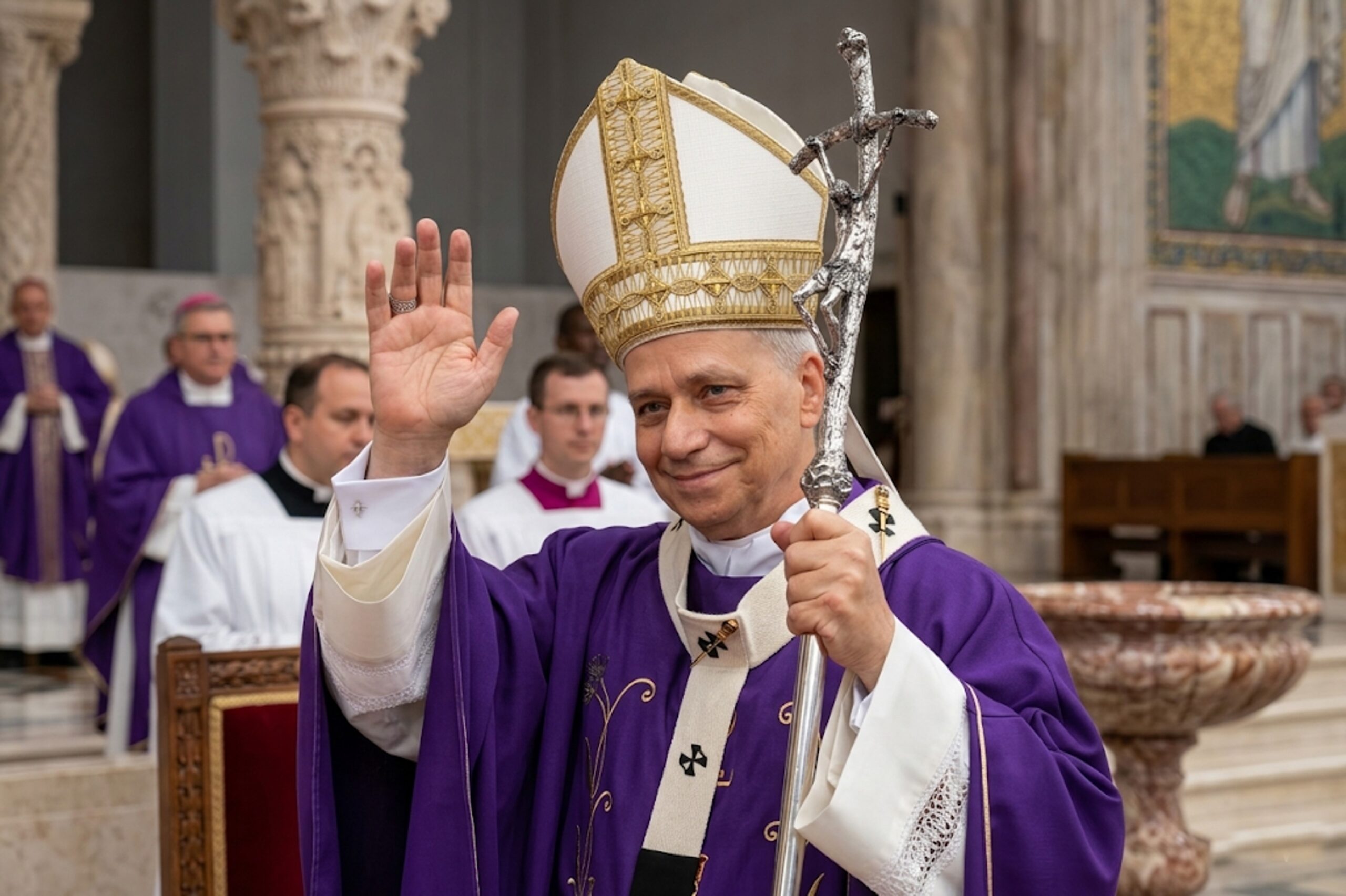
Pope Leo XIV has urged governments to slow down and more closely regulate artificial intelligence development, warning that unchecked AI systems could fuel misinformation, intensify conflict, and push the world toward what he described as “unending war.”
The warning came through the Pope’s first major encyclical, a formal papal document titled Magnifica Humanitas, released at the Vatican on May 25. The text focuses heavily on the ethical, political, and social consequences of rapidly advancing AI systems.
The Vatican is treating AI as a global moral issue
Pope Leo XIV warned that AI systems are spreading misinformation, prioritizing conflict, and creating risks that governments may no longer be able to control effectively.
He also raised concerns about autonomous weapons systems, saying some military AI technologies have advanced “practically beyond any human reach to govern them.”
The Pope called for stronger international oversight, ethical safeguards, and political accountability around AI deployment. He further argued that control of AI infrastructure and data should not remain concentrated in the hands of a few private corporations.
The Vatican’s position reflects growing concern that AI is evolving faster than global regulatory systems can respond.
AI and warfare fears are becoming more serious
One of the strongest themes in the encyclical centers on AI’s growing relationship with warfare and geopolitical competition.
Governments globally are already integrating AI into military intelligence systems, autonomous drones, surveillance infrastructure, battlefield analysis, and cyber operations.
Pope Leo XIV argued that removing human responsibility from warfare decisions could worsen conflicts rather than reduce them. Earlier this month, he warned that AI directed warfare risks leading humanity into what he described as a “spiral of annihilation.”
These concerns are becoming increasingly mainstream as major powers invest aggressively in AI driven defense technologies.
The issue now is not whether AI adoption will continue. That expansion is already happening across finance, education, healthcare, media, cybersecurity, and national security systems.
The bigger debate is about speed, control, and governance. Pope Leo XIV’s comments arrive at a moment when technology firms are racing to build more powerful models while governments simultaneously struggle to design regulatory frameworks capable of managing the risks.
Some countries are prioritizing AI competitiveness and infrastructure expansion. Others are calling for stricter oversight around misinformation, labor disruption, privacy, and military applications.
AI is becoming infrastructure, not just software
The Pope’s intervention also reflects a larger shift happening globally.
AI is no longer simply viewed as a consumer technology trend or software category. It is increasingly becoming foundational infrastructure tied directly to economic power, information systems, labor markets, and geopolitical influence.
That transformation is why conversations around AI are now involving governments, militaries, regulators, labor unions, and religious institutions simultaneously.
In many ways, the technology is beginning to resemble previous industrial revolutions where infrastructure control shaped global power structures.
The world is debating the pace of AI itself
For much of the past two years, the AI conversation focused mainly on innovation and capability.
Now, attention is shifting toward consequences.Pope Leo XIV’s warning adds moral and institutional weight to a growing international concern that artificial intelligence may be advancing faster than the political and ethical systems meant to govern it.
The question is no longer whether AI will reshape society. It is whether global institutions can establish meaningful guardrails before the technology becomes too deeply embedded across information systems, economies, and warfare infrastructure to slow down effectively.
Read also: Ethereum Foundation outlines deeper protocol upgrades for 2026