
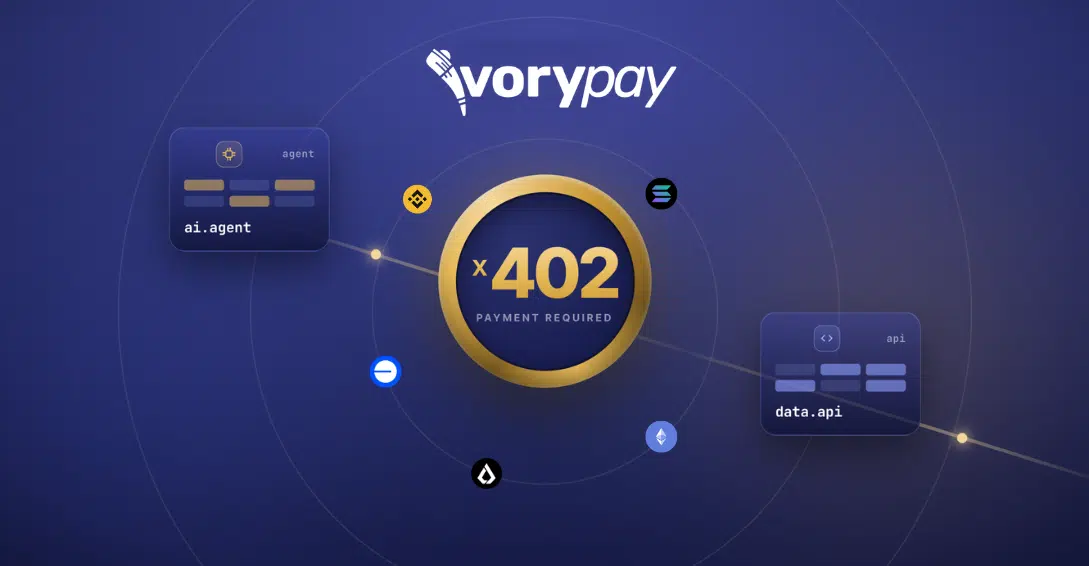
Ivorypay, a Nigerian blockchain payment infrastructure provider, has become the first company in Africa to implement the X402 protocol, enabling machine-to-machine stablecoin transactions across multiple blockchains, the company announced.
The X402 protocol allows autonomous agents and AI systems to send and receive payments without human intervention, using stablecoins as the settlement layer. The technology supports transactions across major blockchain networks including Ethereum, Polygon, Base, and Solana.
Machine-to-machine payments represent a growing segment of the digital economy, where software agents, Internet of Things devices, and AI systems conduct transactions autonomously. The X402 standard provides a unified protocol for these interactions, similar to how HTTP standardised web communications.
How X402 Works
The protocol operates by assigning payment addresses to machines and autonomous agents, which can then initiate and receive payments based on pre-programmed conditions. Unlike traditional payment systems that require human authorisation for each transaction, X402 enables real-time, automated settlements.
Ivorypay’s implementation supports stablecoins, cryptocurrencies pegged to fiat currencies, which reduce volatility concerns in automated transactions. The system works across multiple blockchain networks, allowing machines on different platforms to transact seamlessly.
The company did not disclose technical specifications of its implementation or provide details on security measures for autonomous transactions.
The launch positions Nigeria at the centre of emerging autonomous payment infrastructure, though practical applications in the African market remain unclear. Machine-to-machine payments are primarily used in developed economies for supply chain automation, smart grid energy distribution, and autonomous vehicle networks.
African markets face different infrastructure challenges. Limited Internet of Things deployment, inconsistent internet connectivity, and lower automation adoption may constrain immediate use cases for autonomous payment systems.
However, Africa’s mobile money ecosystem and growing fintech sector could provide pathways for adoption. The continent processed over $700 billion in mobile money transactions in 2023, according to GSMA, demonstrating an appetite for digital payment innovation.
Regulatory Considerations
Machine-to-machine cryptocurrency payments operate in uncertain regulatory territory across Africa. Most African central banks have not issued guidance on autonomous agent transactions or stablecoin use in automated systems.
Nigeria’s Securities and Exchange Commission released cryptocurrency guidelines in 2022, but these focus on human-initiated transactions and exchange operations. The Central Bank of Nigeria has historically restricted bank involvement with cryptocurrency transactions, though it has explored central bank digital currency development.
Ivorypay did not address regulatory compliance in its announcement or indicate whether it has engaged Nigerian financial authorities regarding the X402 implementation.
Global X402 Adoption
The X402 protocol emerged from the Web3 and autonomous agent community as blockchains became infrastructure for AI and machine interactions. Several international payment companies have begun testing similar systems, particularly in supply chain finance and automated service payments.
The company also did not disclose transaction volumes, pilot programmes, or business clients using the technology. Ivorypay’s African-first launch suggests the company sees opportunity in positioning ahead of global adoption curves, though it provided no timeline for commercial deployment or identified launch partners.