
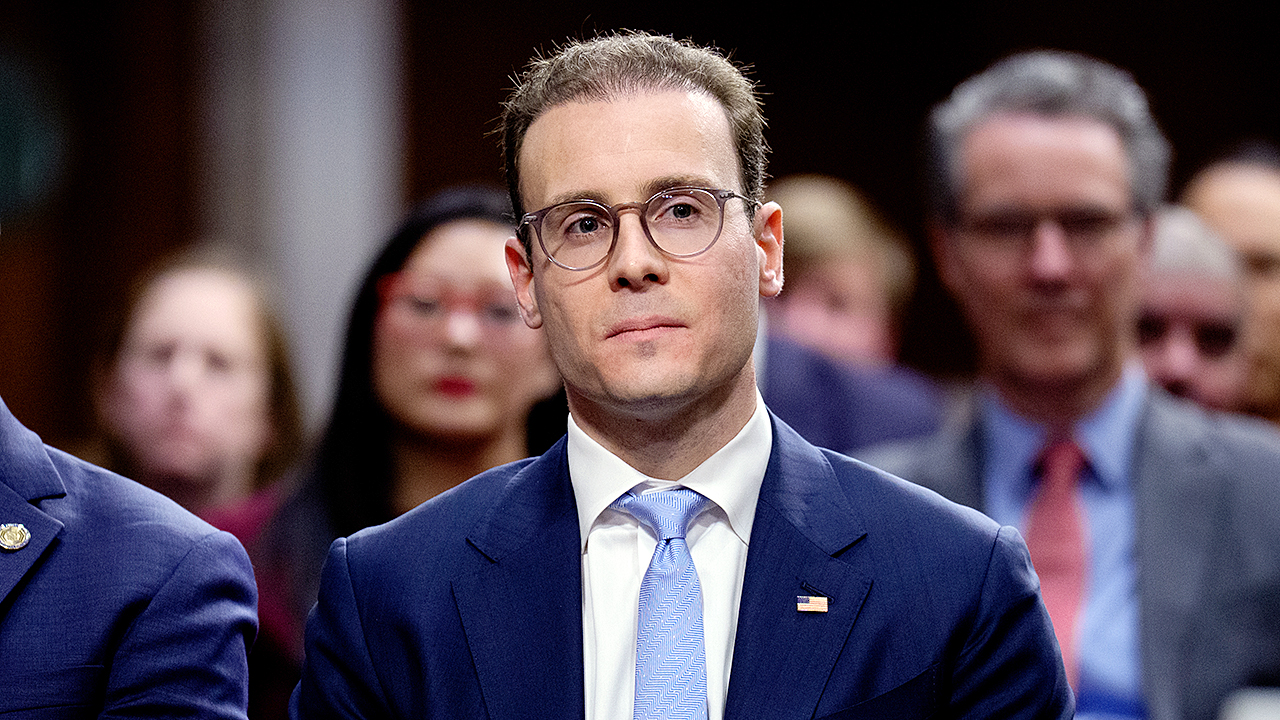
The chairman of the U.S. Commodity Futures Trading Commission (CFTC) says Congress is “so close” to passing the CLARITY Act, renewing calls for a federal regulatory framework that would clearly define how digital assets are regulated in the United States.
CFTC Chairman Michael Selig said lawmakers should move quickly to approve the legislation after missing their July 4 target. “We’re so close. We have to get this done,” Selig said, arguing that a clear federal standard for crypto assets is essential for the industry’s future.
The CLARITY Act is one of the most closely watched crypto bills in Washington because it aims to settle a long-running question: which regulator oversees digital assets.
If enacted, the legislation would divide oversight between the CFTC and the U.S. Securities and Exchange Commission (SEC). Digital assets that qualify as commodities would fall under the CFTC’s jurisdiction, while tokens classified as securities would continue to be regulated by the SEC. Supporters say the approach would replace years of overlapping enforcement actions with a more predictable regulatory framework.
The House of Representatives approved the bill last year, but it still requires Senate approval before it can become law. Although Congress did not meet its July 4 goal, some analysts believe the legislation could still pass before lawmakers begin their August recess.
Selig said passing the bill is about more than regulating cryptocurrencies. He argued that regulatory certainty would encourage innovation, strengthen U.S. competitiveness and give businesses the confidence to build digital asset products without facing conflicting interpretations from different agencies.
The crypto industry has long pushed for legislation like the CLARITY Act, saying existing securities laws were written decades before blockchain technology emerged and leave companies uncertain about which rules apply to different digital assets. Several high-profile enforcement actions by the SEC against crypto firms have intensified calls for Congress to establish clearer guidelines.
If approved, the CLARITY Act would become one of the most significant pieces of crypto legislation in U.S. history, providing a legal framework that could influence how digital asset markets develop and how other countries approach crypto regulation.
While the bill still faces a Senate vote, Selig’s remarks suggest regulators expect Congress to continue working toward a final agreement rather than allowing the proposal to stall.
Read also: Anthropic Removes Hidden Code Tracker From Claude After Privacy Backlash