
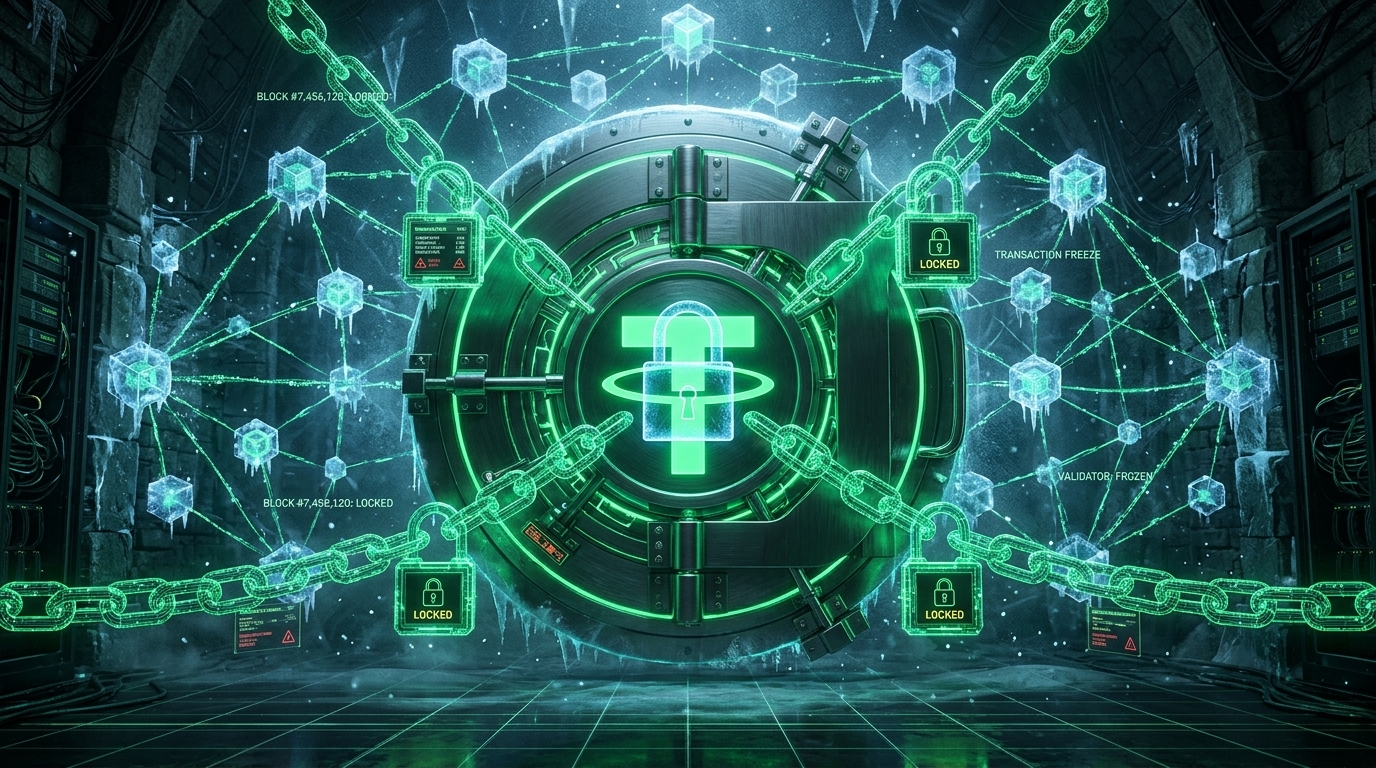
Tether has frozen approximately $1.57 billion in USDT linked to the recent Binance security breach, marking one of the largest stablecoin freeze operations connected to a cryptocurrency theft.
While Circle separately froze more than $800 million in USDC linked to the same incident. Ripple also reportedly froze approximately $200 million in affected assets.
The freezes form part of a broader effort to prevent the attacker from moving or converting the stolen cryptocurrency following the breach, which Binance estimates had an impact of approximately $6.3 billion.
How Tether was able to freeze the funds
Tether is the company behind USDT, the world’s largest stablecoin by market capitalization. Unlike Bitcoin, USDT is issued by a company that retains certain administrative controls over its tokens.
These controls include the ability to blacklist specific wallet addresses, preventing them from transferring or using the USDT held at those addresses.
When Tether blacklists an address, the affected tokens become restricted from further movement through the issuer’s smart-contract controls. This means the person controlling the wallet can no longer freely transfer the frozen USDT.
However, freezing cryptocurrency does not automatically mean the assets have been recovered or returned to their rightful owner. It means their movement has been restricted while the relevant parties investigate the incident.
In the Binance case, Tether’s intervention is particularly significant because the attacker reportedly moved funds across multiple blockchain networks after the unauthorised withdrawals.
More than $2.5 billion in assets frozen
Tether and Circle had frozen more than $2.38 billion in stablecoins combined. Binance also reported that approximately $2.54 billion in crypto assets had been frozen as of its latest update, with the amount potentially increasing as more assets are identified.
The intervention shows the role stablecoin issuers can play in responding to cryptocurrency thefts. While transactions on public blockchains are generally difficult to reverse, issuers of centrally controlled stablecoins can restrict the use of tokens held at identified addresses.
This gives stablecoin issuers a level of intervention that does not exist for decentralised assets such as Bitcoin or Ether.
What happens to the frozen USDT?
The immediate restriction prevents the affected USDT from being freely transferred from the blacklisted addresses. However, the eventual outcome of the funds will depend on the ongoing investigation and any decisions involving the relevant authorities and asset issuers.
The Binance security incident has also raised questions about how cryptocurrency exchanges protect the systems used to authorise withdrawals.
For now, Tether’s freeze represents a significant intervention in the effort to contain the movement of assets linked to the breach. The wider investigation into the stolen funds and the attack itself remains ongoing.
Read also: Binance Suffers $6.3B Hack as Crypto Market Sees $1.5B in Liquidations