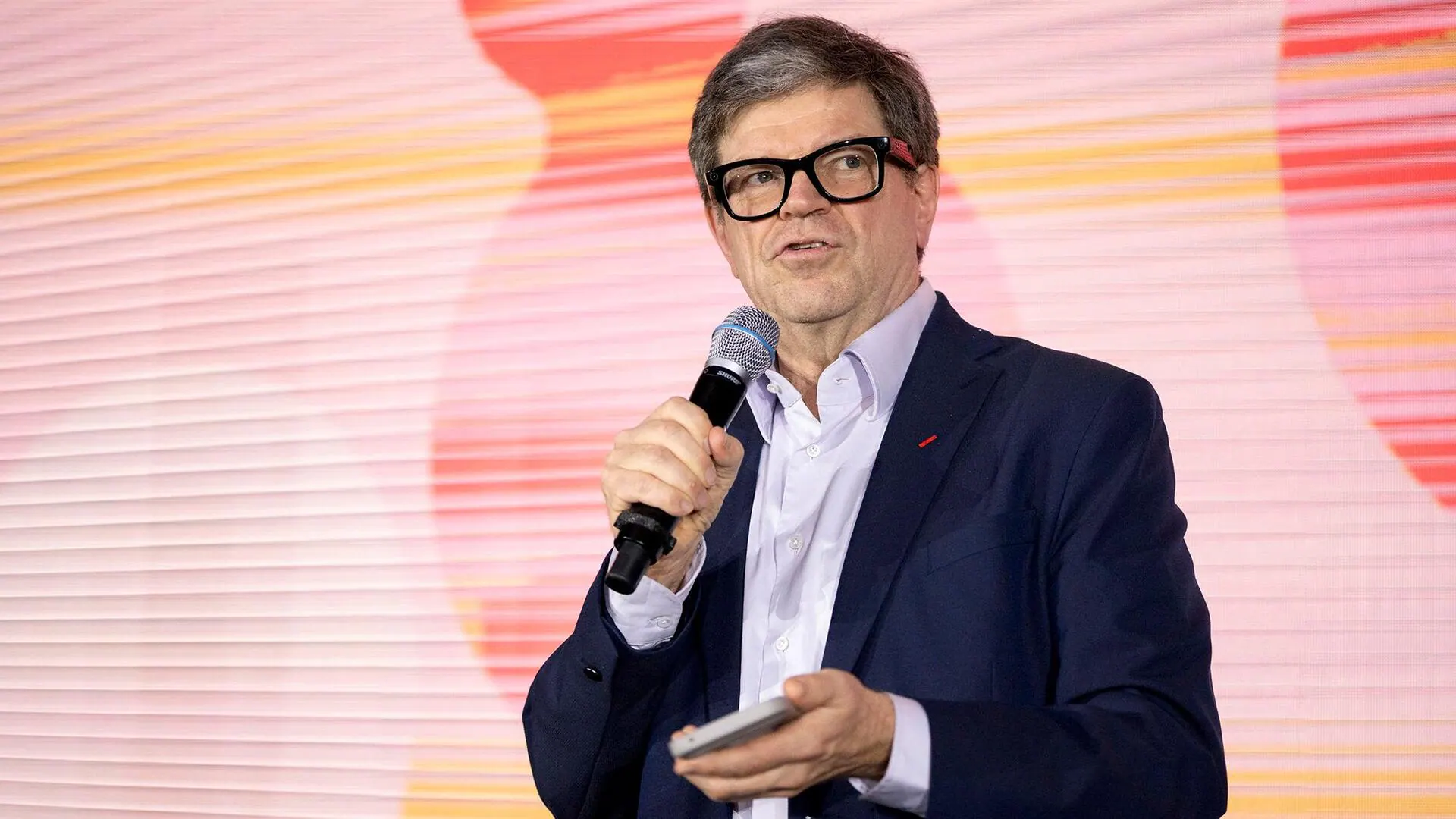
Yann LeCun, Meta’s outgoing chief artificial intelligence scientist and a Turing Award laureate, is preparing to leave the social media giant to launch a new AI startup targeting a pre-launch valuation of about €3 billion (around $3.5 billion), according to a report by the Financial Times.
LeCun is in early discussions with investors to raise €500 million (about $586 million) to fund the venture, which aims to build the next generation of advanced AI systems. These systems will leverage so-called “world models”, a class of artificial intelligence designed to understand and interact with the physical woLeCu, a step beyond today’s language-focused models.
To lead the new company, LeCun is reportedly recruiting Alexandre LeBrun, founder of French health-tech startup Nabla, as CEO. LeCun, widely regarded as one of the “godfathers” of deep learning, played a central role at Meta in shaping AI research and development before deciding to pursue his own venture.
The startup, expected to launch in early 2026, will focus on creating AI systems capable of richer reasoning, perception, and planning than existing models. By building architectures that can model the physical world, LeCun and his team aim to advance toward more general intelligence capabilities, with applications including robotics, autonomous systems, and other real-world problem-solving.
The funding target and high pre-launch valuation reflect both confidence in LeCun’s expertise and broader capital enthusiasm for AI innovation, even as some analysts caution that investor optimism may outpace proven business fundamentals.
LeCun’s departure from Meta underscores a shifting landscape in AI research and commercialisation. As leading researchers branch out with independent startups, institutional capital continues to pour into ventures that promise breakthroughs beyond large language models, including next-generation systems capable of deeper cognition and multi-modal understanding.
For the broader tech industry, the move highlights how AI talent and investment are decentralising from big tech labs toward specialised innovation hubs, potentially accelerating the pace of breakthroughs in areas like robotics, embodied AI, and physical-world reasoning.
Read also: Behind the Blockchain Report Raises Red Flags Over CAR’s Crypto Strategy