
Stablecoins like USDC are digital tokens pegged to the U.S. dollar and used globally for payments, remittances, and trading. They run on blockchains, which are designed so that once a transaction is confirmed, it cannot be undone. This gives users security and transparency, but it also creates a major risk: if money is stolen in a hack or sent to the wrong address, there’s almost no way to get it back.
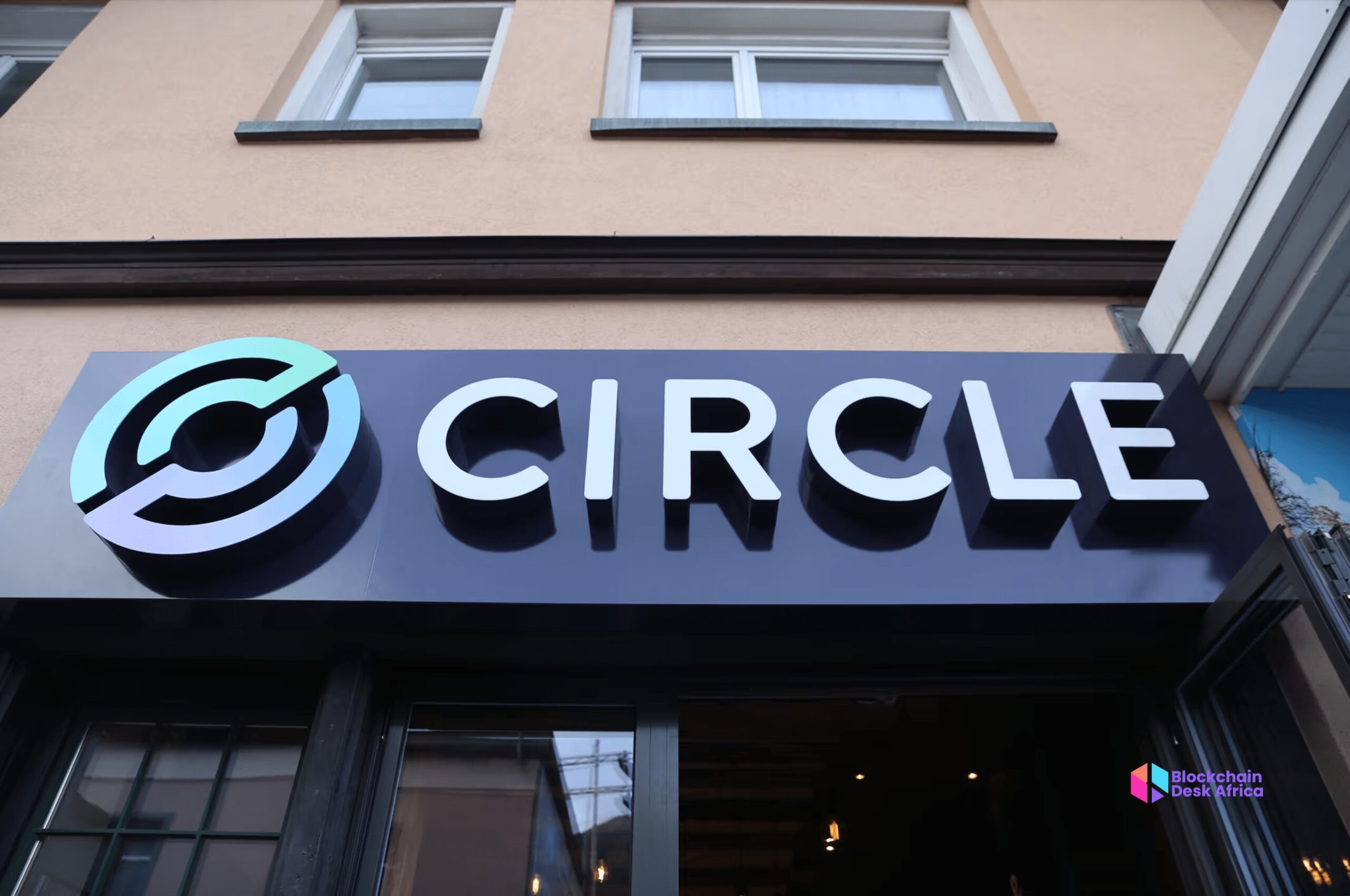
To address this problem, Circle is now testing technology that would make certain USDC transactions reversible in cases of fraud or theft. According to the Financial Times, the project explores a mechanism for rolling back disputed transfers, bringing stablecoins closer to traditional payment systems where banks and card networks can process chargebacks or refunds.
It aims to address this long-standing issue by introducing a mechanism for “reversible transactions.” The idea is that under specific conditions, such as proven fraud, theft, or hacking, a disputed transaction could be rolled back. This would bring stablecoins closer to traditional payment systems, where banks and card networks can process chargebacks or refunds.
The challenge lies in balancing protection for users without undermining the trustless and decentralized nature of blockchain. Critics of reversibility argue that it could reduce the credibility of crypto transactions if not implemented carefully. Others point out that stronger consumer protections are necessary if stablecoins are to gain wider use in commerce and everyday finance.
Circle has not yet released technical details, but the company is testing the concept with industry partners and regulators. If successful, it could set a new precedent for how digital dollars are managed and potentially influence other issuers to adopt similar safeguards.
For now, the proposal reflects a growing recognition that while blockchain’s immutability is powerful, real-world adoption also requires solutions for mistakes and crime. Reversible USDC transactions may become the bridge between crypto’s efficiency and the consumer protections people expect from traditional finance.
Read also: Africa, Asia trade gets boost as Fincra partners with Reap