
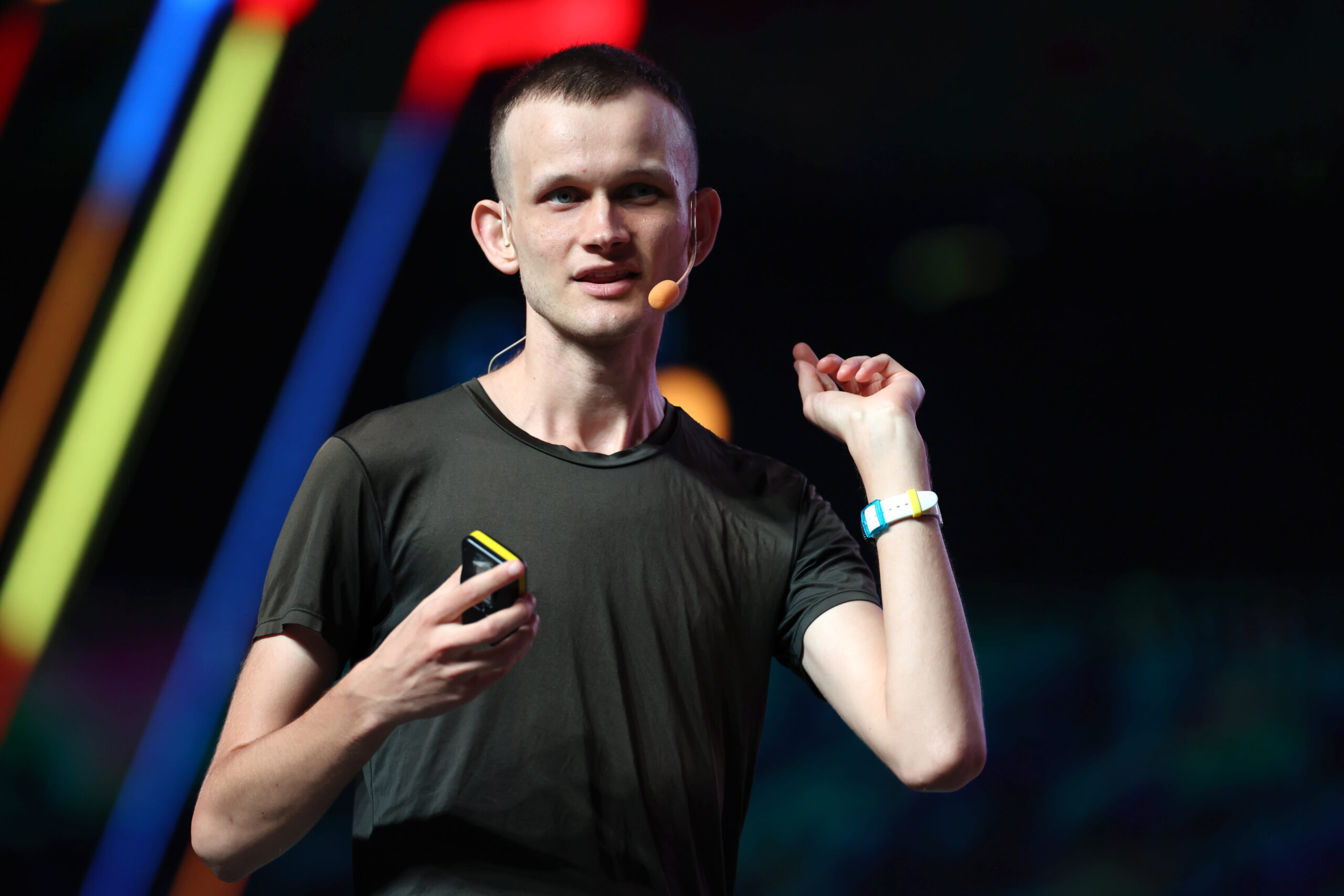
Ethereum co-founder Vitalik Buterin has proposed using zero-knowledge proofs (ZK-proofs) to bring transparency and accountability to how major social media platforms rank, promote, and suppress content.
The idea started from a broader reflection Buterin shared on reacting to what he described as increasingly aggressive and “unhinged” attacks on Europe circulating across social media in recent days. While acknowledging the European Union’s real shortcomings,from bureaucratic overreach to controversial surveillance proposals,Buterin warned that the tone of the criticism felt less like constructive debate and more like an organised attempt to delegitimise institutions and public discourse.
According to Buterin, the scale and coordination of these narratives raise deeper questions about who controls information flows online, and how opaque recommendation systems can amplify polarising or misleading content without public oversight.
A technical fix for a structural problem
To address this, Buterin suggested applying cryptographic tools already familiar to the blockchain world. His proposal centres on zero-knowledge proofs, a technology that allows systems to prove claims are true without revealing sensitive underlying data.
In practical terms, Buterin argues that social media platforms could use ZK-proofs to cryptographically verify every decision made by their ranking algorithms. This would allow the public to confirm that content distribution follows stated rules,without exposing user data or proprietary systems in real time.
He went further, suggesting that key engagement data such as posts, likes, and reposts should be timestamped on-chain, making it harder for platforms to quietly suppress content or manipulate timelines after the fact.
“This would make it possible to verify that the server is not censoring or lying about timing,” Buterin noted, pointing to the growing distrust around invisible moderation decisions.
Delayed transparency, not instant exposure
Buterin stopped short of calling for immediate open-sourcing of social media algorithms, acknowledging commercial and security concerns. Instead, he proposed a delayed disclosure model, where platforms commit to publishing their full algorithmic code after a one- to two-year lag.
Such a system, he argues, could strike a balance,preserving innovation and platform integrity in the short term while ensuring long-term accountability and public trust.
This approach reflects a broader ethos within the Ethereum ecosystem, where transparency is often paired with technical safeguards rather than radical exposure.
Why this conversation is gaining attention now
The proposal arrives amid growing global concern about algorithmic influence on elections, public opinion, and social cohesion. Regulators in Europe and elsewhere are already pushing for more oversight of digital platforms, but critics argue that current regulatory tools struggle to keep pace with complex, rapidly evolving systems.
By contrast, Buterin’s argument reframes the issue as a verifiability problem, not just a policy one. Instead of asking users to trust platformsor regulators to police them,he suggests building systems where claims about fairness and neutrality can be mathematically proven.
While the idea remains theoretical, it highlights how blockchain-native tools are increasingly being positioned beyond finance, as potential infrastructure for governance, media, and digital rights.
More than a technical proposal, Buterin’s comments reflect a growing unease among technologists about how centralised platforms shape narratives at scale. His intervention does not target any single company, but rather questions the assumption that opaque algorithms should remain beyond public scrutiny.
Whether social media companies would adopt such measures remains uncertain. But the conversation itself signals a shift: blockchain is no longer just critiquing financial systems, it is increasingly being proposed as a check on informational power.
Read also: MTI creditors seek removal of liquidators as recovery tensions deepen