
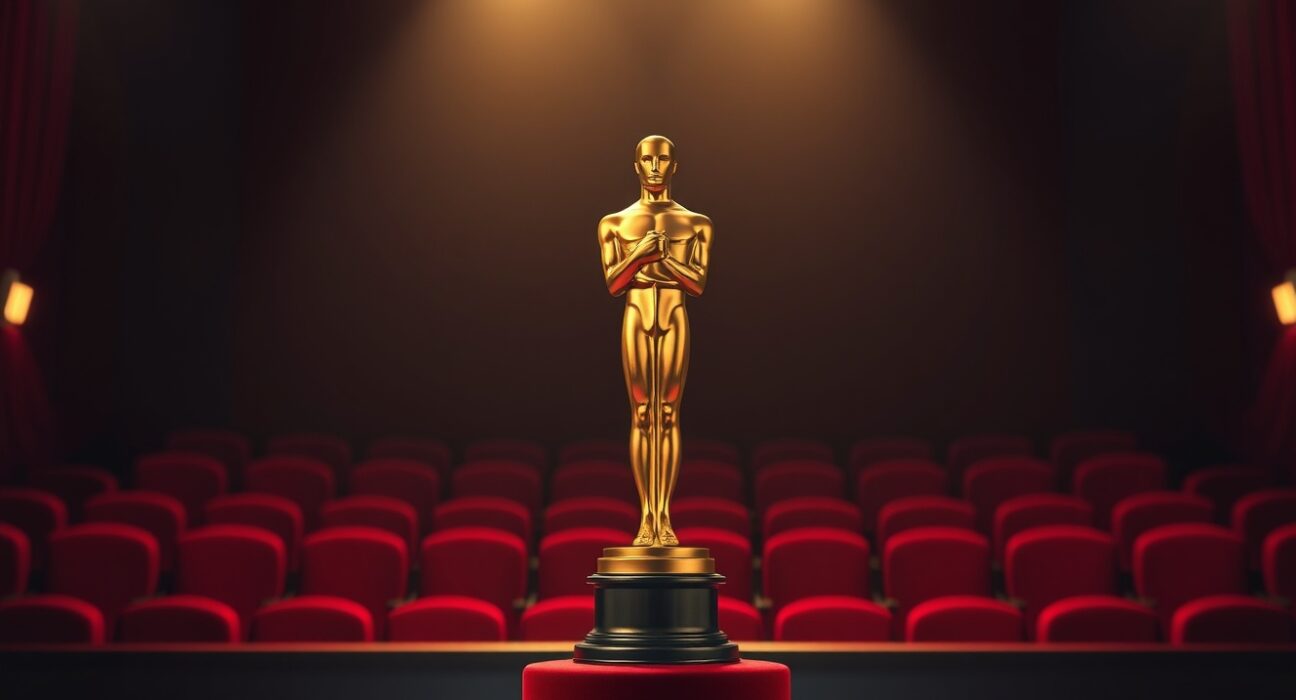
The Academy of Motion Picture Arts and Sciences has introduced new rules that make AI-generated actors and scripts ineligible for Oscars, drawing a clear line on how artificial intelligence can be used in filmmaking.
Under the updated guidelines, only human actors and human-written screenplays can qualify for awards in acting and writing categories. This means that performances created fully by AI, or scripts generated by tools like chatbots, will not be considered. The rule is expected to apply from upcoming award cycles as the Academy updates its standards.
However, the Academy did not ban AI completely. Filmmakers can still use AI tools in production, editing, or visual effects. Also, projects may be required to show that key creative work,like acting and writing,was done by humans. This creates a balance between allowing innovation and protecting core creative roles.
This decision comes as AI tools continue to improve in Hollywood. Systems can now generate realistic faces, voices, and even full scripts. Furthermore, studios have started testing these tools to reduce production costs and speed up content creation. This has raised concern among actors and writers about job security and ownership of creative work.
The debate is not new. During the recent strikes led by groups like the Writers Guild of America, AI was a major issue. Writers pushed for rules to stop studios from using AI to replace or rewrite human-created content. Actors have also raised concerns about digital replicas of their faces and voices being used without proper control.
The Academy’s decision also affects how films are positioned for awards. Studios that rely heavily on AI-generated performances or scripts may find it harder to compete in major categories. However, they can still qualify in technical areas, depending on how AI is used.
Furthermore, the rule sets a precedent beyond Hollywood. Other film festivals and award bodies may adopt similar standards, especially as AI tools become more common across the global film industry.The bigger issue is about authorship. If a machine creates a script or performance, it becomes harder to define ownership and credit. Also, it raises legal questions around copyright, especially when AI systems are trained on existing creative works.
At the same time, some filmmakers argue that AI is just another tool, like CGI or editing software. They believe it can support creativity rather than replace it. However, the Academy’s stance shows that when it comes to recognition, human input must remain central.The message passed is clear. AI can assist in filmmaking, but it cannot take the spotlight. For now, the Oscars are reinforcing a traditional standard,awards are for human creativity, not machine-generated output.