
One of the biggest challenges in cancer treatment is timing. In many cases, cancer is only discovered after it has already progressed, making treatment more difficult and reducing survival chances.
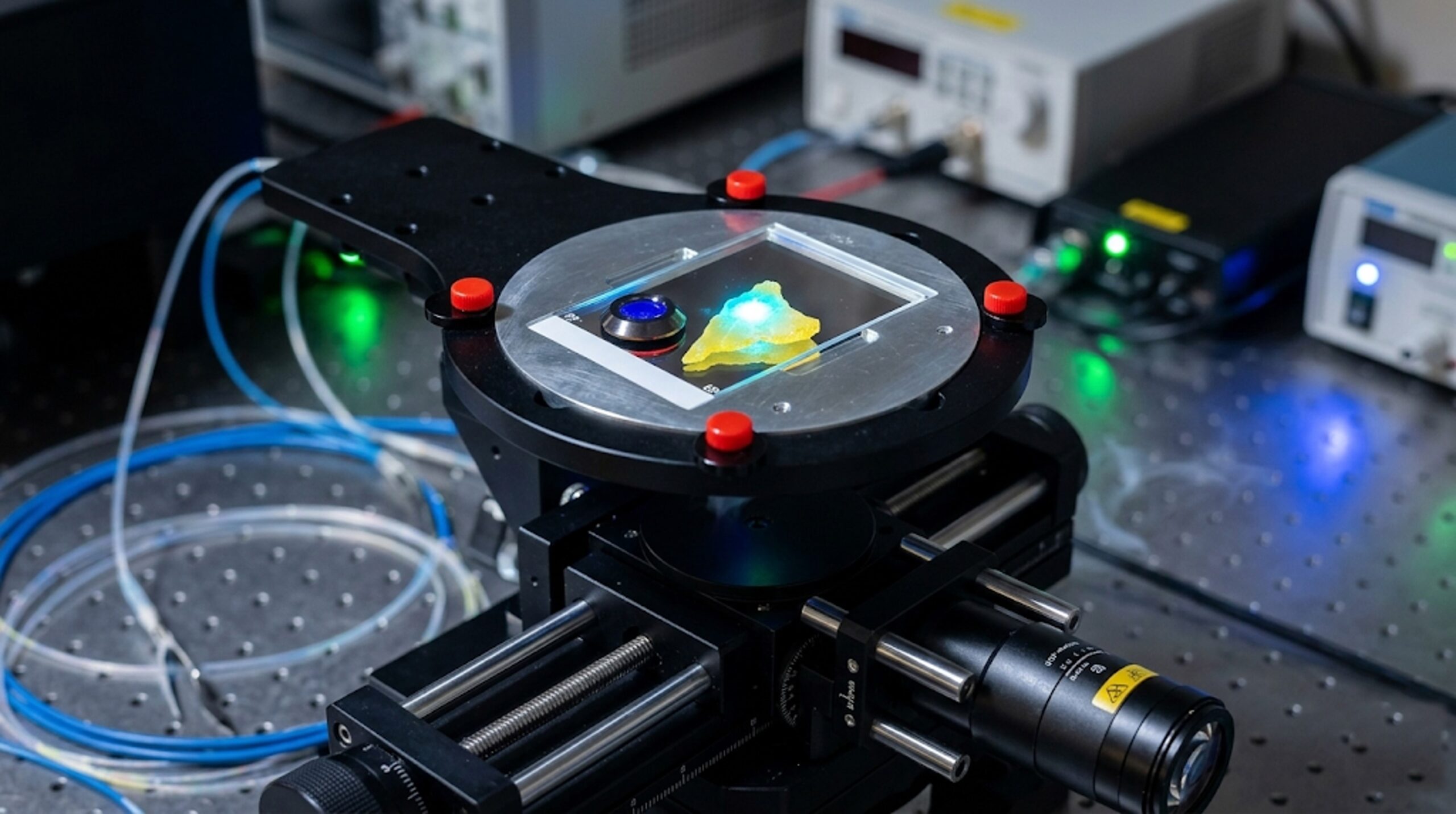
Researchers at Rice University are now working on a solution that could help doctors detect cancer earlier using a portable, AI-powered microscope designed for faster and more accessible diagnosis.
The handheld device combines artificial intelligence with advanced imaging technology to help identify abnormal cells in real time. Unlike traditional laboratory methods that often require large equipment, tissue preparation, and long processing times, the new microscope is designed to work directly at the point of care.
According to researchers, the goal is to create a system that can provide rapid cancer screening in hospitals, clinics, and even low-resource environments where access to advanced medical infrastructure may be limited.
Furthermore, the technology builds on years of research at Rice University involving AI-assisted imaging and cancer diagnostics. Previous projects from the university explored how artificial intelligence could improve microscope imaging, analyze tissue samples more efficiently, and help doctors identify cancer margins during surgery.
The new handheld microscope uses AI algorithms to analyze microscopic images and identify patterns linked to cancerous or precancerous cells. Researchers believe this could reduce delays in diagnosis and improve the chances of detecting cancer before it spreads.
Additionally, portability is a major part of the project’s importance. Traditional diagnostic systems are often expensive and centralized in specialized medical facilities. A handheld system could allow medical professionals to conduct screenings in remote or underserved areas without relying entirely on large laboratory infrastructure.
The research also reflects a broader trend in healthcare, where artificial intelligence is increasingly being integrated into medical imaging and disease detection. AI systems are already being tested for identifying cancers in CT scans, blood samples, and pathology images with levels of accuracy that continue to improve. However, researchers emphasize that AI tools are designed to support medical professionals rather than replace them. The technology acts as an assistive system, helping doctors spot patterns and abnormalities that may otherwise be difficult to detect quickly.
Rice University has previously collaborated with institutions such as the University of Texas MD Anderson Cancer Center on AI-based cancer imaging projects, particularly around improving surgical precision and tissue analysis.
The handheld microscope initiative is part of a wider effort to make cancer diagnostics faster, cheaper, and more widely available. Researchers believe earlier detection remains one of the most effective ways to improve treatment outcomes and reduce cancer-related deaths.
While the technology is still under development, the project highlights how artificial intelligence and portable medical devices are increasingly being combined to create more accessible healthcare tools.
Read also: OpenAI launches a Deployment Company to expand enterprise AI adoption