
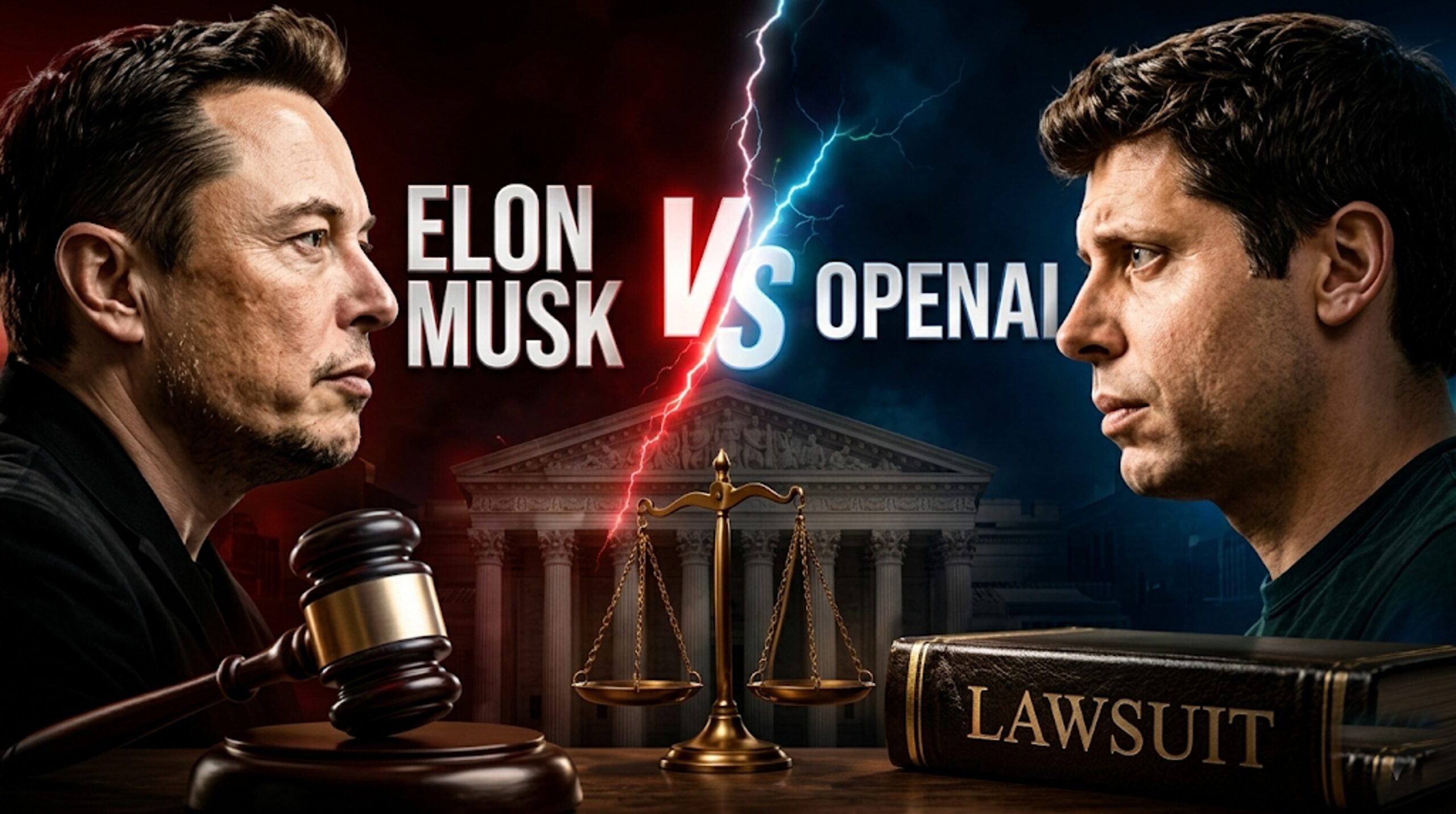
OpenAI has secured another legal victory in its ongoing dispute with Elon Musk, after a U.S. federal judge dismissed a trade secrets lawsuit brought by Musk’s AI company, xAI.
The lawsuit accused OpenAI of improperly obtaining confidential information related to Grok, xAI’s flagship chatbot, through the recruitment of former xAI engineer Xuechen Li. xAI alleged that OpenAI sought access to trade secrets that could help it compete more effectively in the rapidly evolving AI market.
The dispute dates back to September 2025, when xAI sued both OpenAI and Li, claiming the former employee had disclosed confidential information during the hiring process. The complaint alleged that OpenAI gained access to sensitive details about Grok’s development and internal operations through conversations with Li. OpenAI denied the claims and argued that discussing previous work experience during recruitment is standard industry practice. In February, the court dismissed the initial complaint but allowed xAI to amend and refile the case.
However, U.S. District Judge Rita Lin ruled that xAI failed to provide evidence showing OpenAI encouraged Li to disclose confidential information or knowingly received any trade secrets. The judge dismissed the lawsuit with prejudice, preventing xAI from bringing the same claims against OpenAI again.
The ruling marks the latest chapter in the increasingly public rivalry between Musk and OpenAI. Musk co-founded OpenAI in 2015 before leaving the organisation and later launching xAI as a competing artificial intelligence company. Since then, both sides have been involved in a series of legal disputes over competition, corporate governance, talent recruitment, and the future direction of AI development.
According to the court, xAI’s allegations were insufficient to demonstrate wrongdoing by OpenAI. Judge Lin noted that interviewing job candidates about their previous experience does not, on its own, amount to trade secret misappropriation.
The decision comes weeks after another setback for Musk in his broader legal battle with OpenAI, when a separate lawsuit challenging the company’s transition from a nonprofit research organisation into a commercial AI business failed to gain traction in court.
While xAI continues to pursue legal claims against Li, the latest ruling removes a significant legal challenge facing OpenAI as competition intensifies among leading AI developers.
The case also highlights a growing issue across the artificial intelligence industry, where competition for top engineering talent is becoming increasingly fierce. As researchers and developers move between rival companies, courts are likely to play a larger role in determining where legitimate recruitment ends and trade secret disputes begin.
Read also: Meta explores face recognition for smart glasses, sparking privacy concerns