
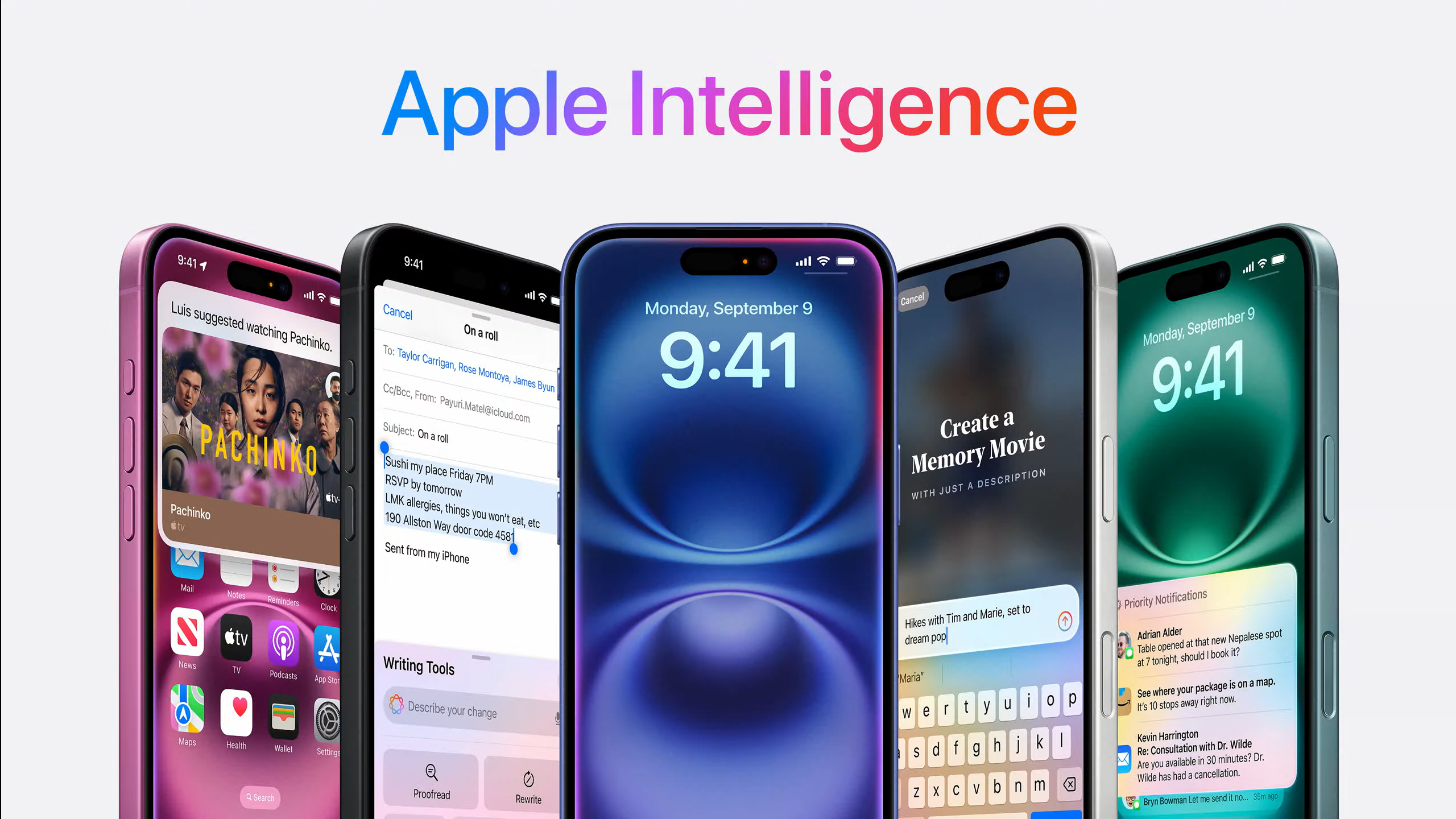
For a while, the excitement around Apple’s AI was loud and everywhere,until users started noticing something was missing. The features looked promising on paper, but in reality, they didn’t arrive when expected.
As a result, Apple Inc. has agreed to pay $250 million to settle a class-action lawsuit tied to those delays, particularly around its voice assistant, Siri. The case centers on claims that Apple promoted advanced AI capabilities before they were ready for public use, raising concerns about how emerging technologies are marketed to consumers.
The dispute traces back to Apple’s product campaigns ahead of the iPhone 16 launch in 2024, where the company introduced a more advanced, AI-powered Siri as part of its software vision. The demonstrations suggested a more conversational assistant capable of handling complex, multi-step tasks, understanding context across apps, and delivering more personalized responses.
However, when the devices reached users, several of those capabilities were either unavailable or rolled out much later than expected. This created a gap between what was shown during product announcements and what users experienced in practice.
According to the lawsuit, that gap had a direct impact on purchasing behavior. Consumers argued that Apple’s messaging positioned these AI features as a near-term reality, influencing decisions to upgrade devices even though the functionality was not immediately accessible.
However, Apple has not admitted any wrongdoing as part of the settlement. Instead, the company opted to resolve the case financially, a move that allows it to avoid prolonged litigation while continuing to focus on product development and upcoming software releases.
Furthermore, the settlement is expected to affect millions of users across the United States, particularly those who purchased newer iPhone models during the period when the features were being promoted. Eligible users may receive compensation ranging from $25 to $95 per device, depending on how many claims are filed and approved.
At the center of the issue is Apple’s AI initiative, often referred to as “Apple Intelligence.” This strategy represents the company’s attempt to integrate artificial intelligence deeply into its ecosystem,across messaging, productivity tools, system navigation, and voice interaction.
However, delivering that vision has proven more complex than anticipated. Building a highly capable assistant like Siri involves coordinating multiple layers of technology, including natural language processing, machine learning models, real-time data access, and seamless integration with apps and services.
Additionally, Apple’s long-standing focus on user privacy and on-device processing adds another layer of complexity. Unlike some competitors that rely heavily on cloud-based AI systems, Apple aims to process as much data as possible directly on the device. While this approach strengthens privacy and security, it can limit speed and flexibility during development.
The delay in rolling out advanced Siri features is also tied to broader technical challenges within the AI industry. Developing systems that are not only intelligent but also reliable, safe, and consistent at scale remains a significant hurdle, even for leading technology companies.
Moreover, the case reflects a pattern across the tech sector. As competition in artificial intelligence intensifies, companies are increasingly showcasing future capabilities during product launches to maintain relevance and attract users. However, when timelines slip, the gap between expectation and delivery becomes more visible,and, in cases like this, legally actionable.
The timing of the settlement is significant. Apple is expected to introduce new updates to its AI ecosystem at its upcoming developer conference, where it may provide clearer timelines and demonstrations of its next-generation Siri capabilities. The company is also reportedly exploring more flexible AI integrations across its platforms, including options that allow users to interact with different AI models.
For Apple, resolving the lawsuit removes a legal overhang, but it also places greater emphasis on execution moving forward. The company will need to demonstrate not just innovation, but consistency in delivering features as presented.
Read also: Telegram Replaces TON Foundation as the Network’s Largest Validator