
For years, Apple controlled how intelligence worked on the iPhone,one system, one assistant, one way of doing things. That approach is now changing.
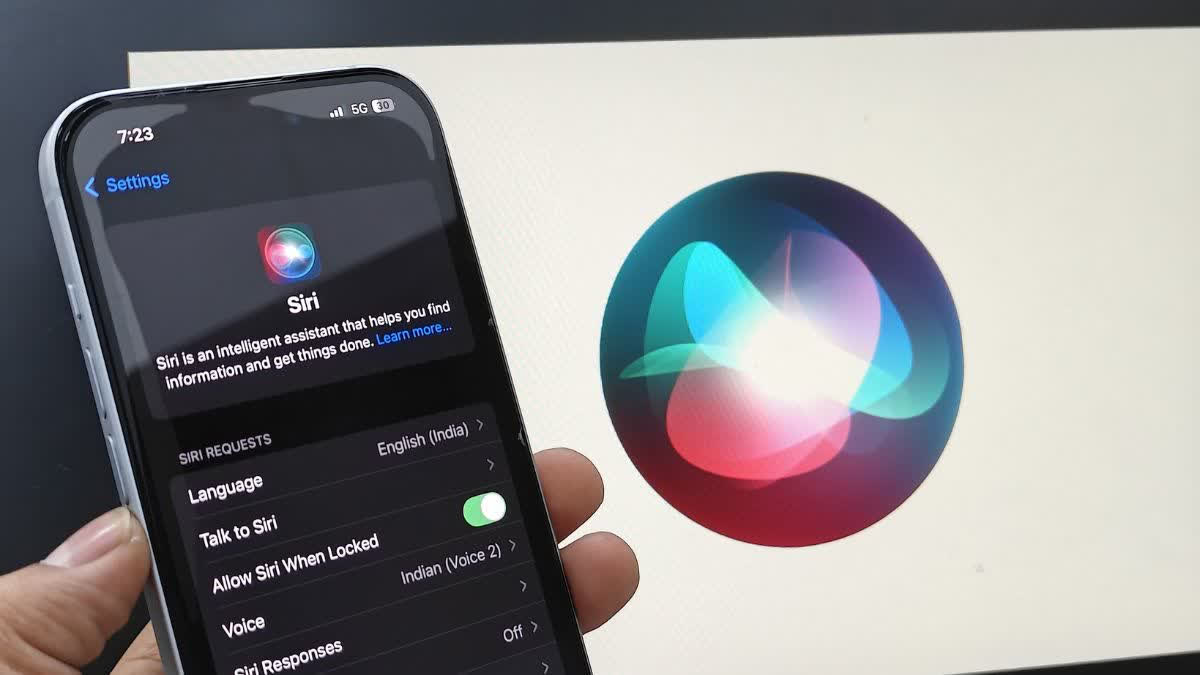
Apple is reportedly preparing to turn its next software update, iOS 27, into a more flexible AI environment where users can choose which artificial intelligence models power their devices.Instead of relying solely on its in-house system, the company plans to allow third-party AI models to run core features across the operating system. This includes tools for writing, image generation, and even Siri, Apple’s voice assistant.
However, this is not just an added feature,it represents a broader change in how Apple is approaching AI. According to reports, users will be able to select their preferred AI providers through a new system expected to be called “Extensions.” These models would be installed via the App Store and then set as default within device settings.
Furthermore, Apple has already been testing integrations with major AI companies such as Google and Anthropic, suggesting that users may soon have access to multiple competing models on a single device.This means an iPhone user could potentially choose one AI model for writing tasks, another for conversations, and another for image generation,turning the device into a customizable AI platform rather than a fixed system.
The update is expected to extend beyond iPhones, covering iPadOS 27 and macOS 27, creating a consistent experience across Apple’s ecosystem.However, the move also reflects growing pressure on Apple to keep up with competitors. Companies like Microsoft and Google have advanced quickly in deploying AI features, pushing Apple to open its ecosystem and offer more flexibility to users.
At the same time, this approach could reduce the dominance of any single AI provider within Apple’s ecosystem. While partnerships with companies like OpenAI have played a role in earlier integrations, the new system suggests a future where multiple models compete directly for user preference.
The update is expected to be unveiled at Apple’s upcoming developer conference, with a wider rollout later in the year.What this introduces is a simple but powerful idea: instead of adapting to one AI system, users may soon choose the one that works best for them.
Read also: Kenyan Binance P2P trader arrested over alleged fraud-linked funds