
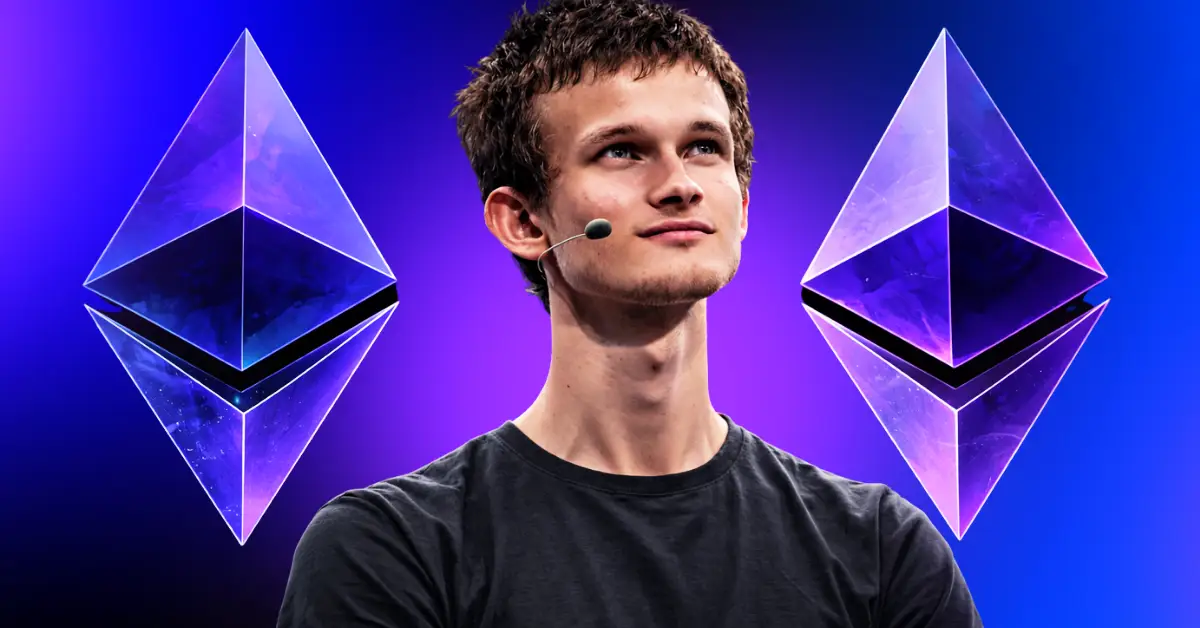
Ethereum developers have endorsed a revised long-term development plan outlined by network co-founder Vitalik Buterin this week, but several core contributors say the protocol’s real problem is not what to build, but how fast it can be delivered.
The updated roadmap, dubbed “Lean Ethereum,” reframes the network’s technical priorities around simplification and execution speed. It has drawn positive reactions from researchers and developers across Ethereum’s decentralised contributor base, according to a report by CoinDesk.
The plan marks a shift from previous roadmaps that layered complex features onto an already dense technical stack. Lean Ethereum instead emphasises streamlining the protocol and shipping upgrades more quickly.
While the strategic direction has won support, multiple developers told CoinDesk that Ethereum’s challenge is not a lack of vision, but the slow pace at which changes are implemented.
Ethereum has historically struggled with lengthy development cycles. Major upgrades such as the transition to proof-of-stake, completed in September 2022, took years longer than initially projected. Subsequent network improvements have also faced delays.
The concern among developers is that even with a clearer roadmap, Ethereum risks falling behind competing layer-1 blockchains if it cannot accelerate its upgrade timeline.
What Lean Ethereum proposes
Buterin’s updated roadmap focuses on reducing the protocol’s complexity while maintaining its core goals around decentralisation, security, and scalability.
The plan prioritises completing existing initiatives rather than introducing new technical ambitions. This includes finalising upgrades related to data availability, improving transaction throughput through layer-2 scaling solutions, and refining the network’s consensus mechanism.
Lean Ethereum also emphasises better coordination among the network’s distributed development teams, which operate independently but must align on protocol changes.
Ethereum remains the dominant platform for decentralised finance and smart contract applications, but its market position has faced mounting pressure.
Competing blockchains including Solana, Avalanche, and newer entrants have gained traction by offering faster transaction speeds and lower fees. Meanwhile, layer-2 networks built on top of Ethereum have fragmented liquidity and user activity.
The network’s ability to deliver upgrades quickly will determine whether it can maintain its lead in areas such as stablecoin issuance, tokenised assets, and decentralised applications.
Buterin has remained actively involved in shaping Ethereum’s technical direction despite the protocol’s decentralised governance structure. His blog posts and public proposals continue to influence the priorities of core developers and the Ethereum Foundation.
Developer consensus and next steps
The positive reception to Lean Ethereum suggests the development community is aligned on strategic goals. The harder task will be translating that consensus into faster shipping of protocol improvements.
Ethereum’s next major upgrade, focused on improving validator efficiency and network performance, is expected later this year, though no firm date has been set.
Whether the revised roadmap translates into measurably quicker execution will become clear over the coming months as development teams attempt to implement Buterin’s streamlined vision.