
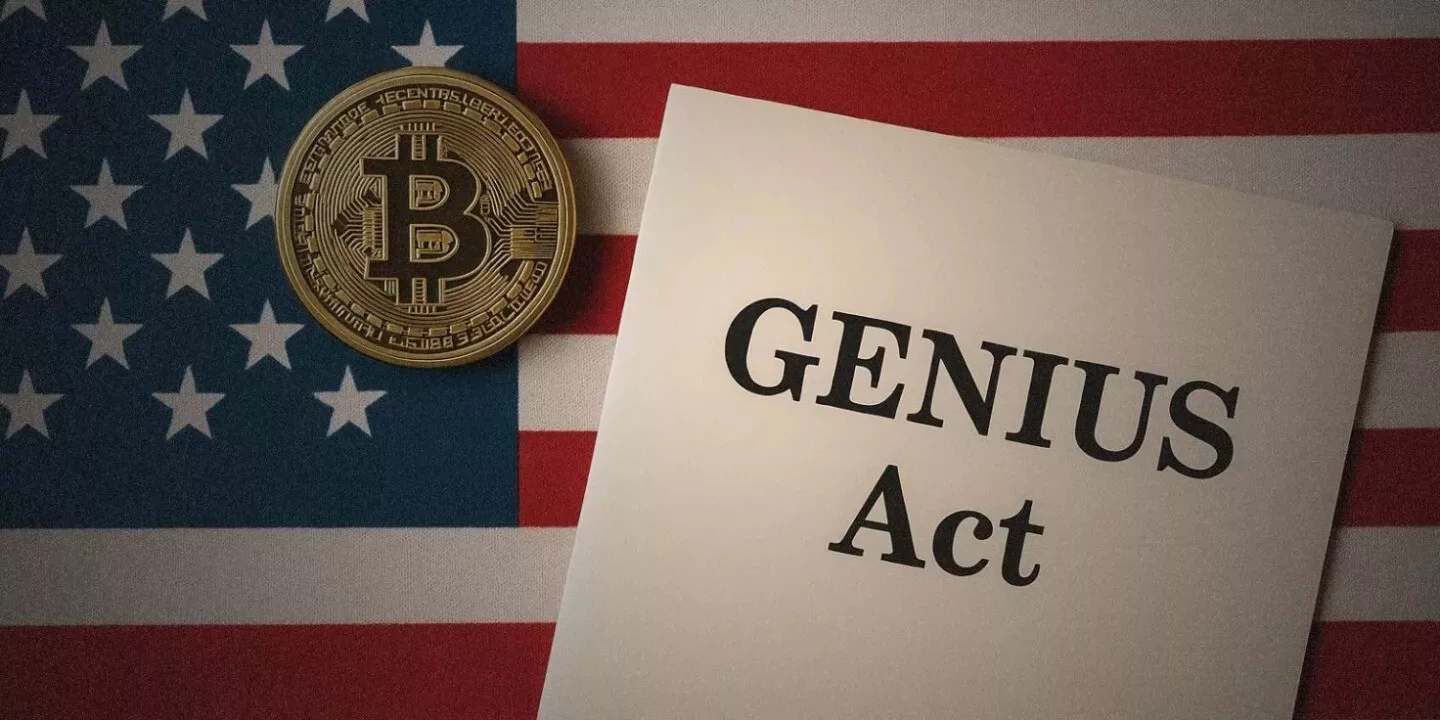
The Office of the Comptroller of the Currency is working at an accelerated pace to finalize stablecoin regulations under the GENIUS Act before a statutory deadline in January 2025, according to Comptroller Jonathan Gould.
Speaking at the Wyoming Blockchain Symposium, Gould acknowledged the agency had already missed an initial July 2024 deadline to implement rules under the Guiding and Establishing National Innovation for US Stablecoins Act, commonly known as the GENIUS Act.
“We are moving as quickly as we can to get these rules finalized,” Gould told symposium attendees, according to Decrypt. “The timeline is tight, but we understand the importance of getting this right for the market.”
What the GENIUS Act Requires
The GENIUS Act, passed earlier in 2024, mandates that the OCC establish a clear regulatory framework for stablecoin issuers operating under federal banking oversight. The legislation aims to create uniform standards for reserve requirements, redemption processes, and operational transparency.
Under the act, stablecoin issuers that meet certain criteria would be eligible for federal charters, bringing them under the same supervisory umbrella as traditional banks. The law also requires monthly attestations of reserves and sets specific capital adequacy standards.
The OCC, which regulates national banks and federal savings associations in the United States, is responsible for writing the technical rules that will govern how these requirements are implemented and enforced.
Missing Deadlines Amid Complex Rulemaking
The agency’s July deadline came and went without the publication of final rules. Gould attributed the delay to the complexity of drafting regulations that balance innovation with consumer protection and financial stability.
“Stablecoins present unique supervisory challenges,” Gould said. “We are building a framework from the ground up, and that requires extensive consultation with stakeholders across the banking and digital asset sectors.”
The January deadline is a hard statutory requirement built into the GENIUS Act itself. Failure to meet it could leave stablecoin issuers in regulatory limbo and potentially expose the OCC to Congressional scrutiny.
Industry Awaits Clarity
Stablecoin issuers and financial institutions have been waiting for regulatory clarity since the GENIUS Act became law. Major stablecoin issuers such as Circle and Paxos have publicly stated they intend to seek federal charters once the framework is in place.
The regulations are expected to address key issues, including which types of assets can back stablecoins, how often reserves must be audited, and what happens in the event of an issuer’s insolvency.
As of now, stablecoins remain largely unregulated at the federal level in the United States, with oversight fragmented across state money transmitter licenses and varying interpretations of securities law.
The OCC did not immediately respond to requests for additional details on the rulemaking timeline or the specific provisions still under consideration.