
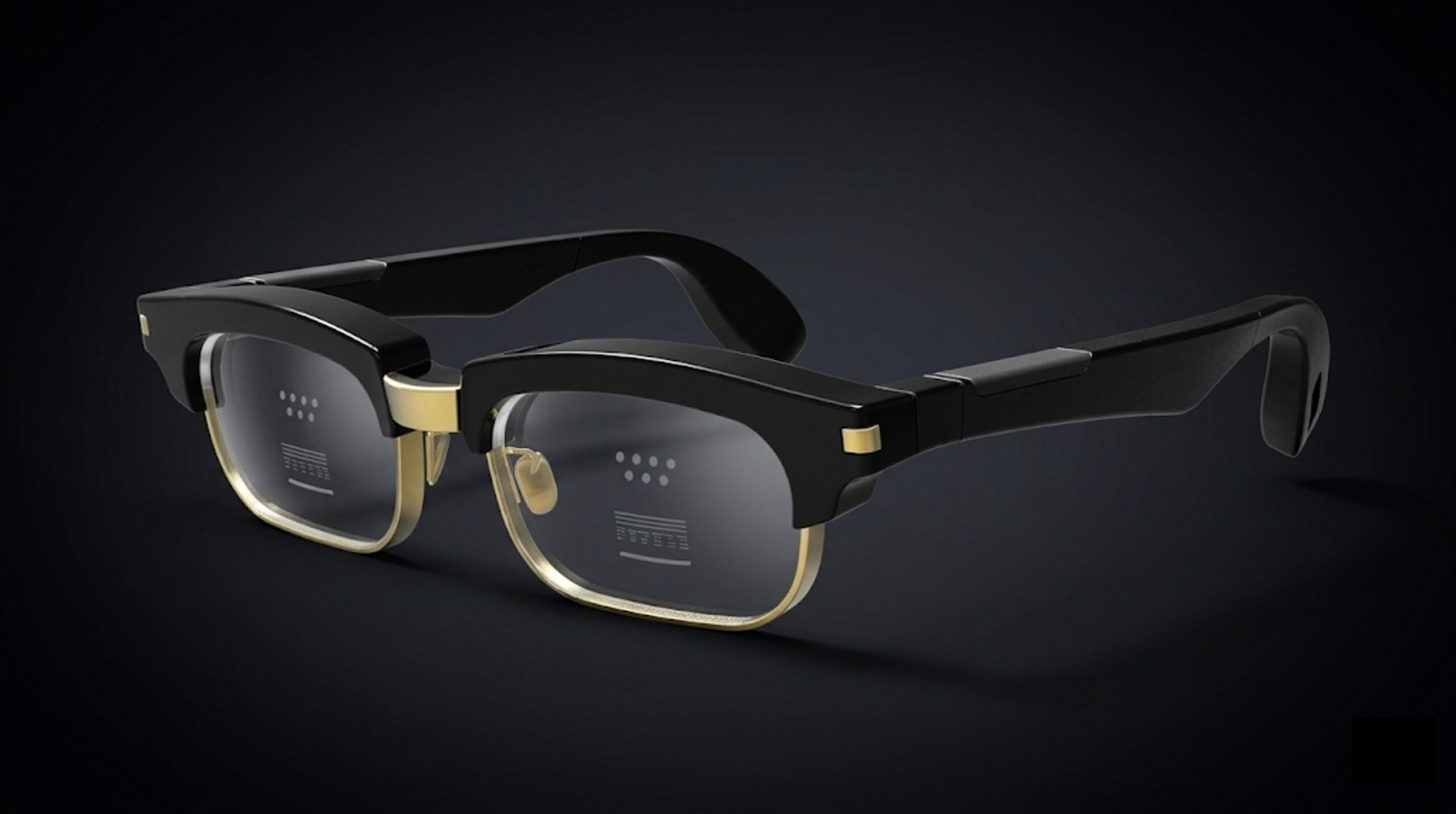
As tech companies race to build AI-powered smart glasses, one challenge continues to stand out: making the devices comfortable enough for everyday use.
While most attention in artificial intelligence focuses on chatbots and software, companies behind the scenes are now working on the hardware needed to support the next generation of wearable AI devices.
One of those companies is LetinAR ,a South Korean startup developing lens technology designed to make AI glasses lighter, thinner, and more practical for daily wear.
The company recently raised about $18.5 million in new funding ahead of a planned public listing in South Korea in 2027, according to reports. Existing investor LG Electronics is also reportedly exploring AI glasses development, adding more attention to LetinAR’s technology.
Founded in 2016, LetinAR is not building its own consumer smart glasses. Instead, the startup focuses on one of the most difficult parts of wearable devices: the optical system that projects digital images into a user’s eyes.
Current smart glasses often face major limitations. Many devices are bulky, consume too much power, generate heat, or struggle with image brightness and clarity. In some cases, users also complain that the glasses do not feel natural enough for long-term use.
LetinAR says its proprietary optical technology, called PinTILT, is designed to solve some of those issues by directing light more efficiently toward the eye instead of losing large amounts of light inside the lens system.
According to the company, this could help manufacturers produce AI glasses that are smaller, lighter, and more energy efficient without sacrificing display quality.
Major companies including Meta, Google, Apple, Samsung, and several Chinese firms are increasingly investing in wearable AI devices that combine cameras, voice assistants, augmented reality, and real-time AI interaction.
Analysts believe smart glasses could eventually become one of the next major computing platforms after smartphones.
However, for that to happen, the hardware needs to improve significantly. Most consumers are unlikely to adopt AI glasses if the devices remain heavy, expensive, or uncomfortable to wear in public.
That challenge has created new opportunities for companies like LetinAR that are building the underlying infrastructure behind the products rather than the consumer devices themselves.
Furthermore, the company’s growth highlights how the AI industry is expanding beyond software models into physical infrastructure, including chips, sensors, optics, batteries, and wearable hardware systems.
The bigger picture is becoming clearer. The future of AI may not depend only on which company builds the smartest model, but also on who develops the hardware capable of bringing AI into everyday life naturally and comfortably.
Read also: Solana Foundation president calls memecoins a stress test, not identity