Introduction
Over the last decade, blockchain has evolved from a buzzword tied to cryptocurrencies into a powerful tool for transparency, trust, and transformation. Across the world, it is redefining how people exchange value, verify information, and build systems that do not depend on middlemen. From finance to healthcare and now humanitarian work, blockchain is quietly creating fairness in places where inequality once thrived.
In Africa, this technology is gaining traction as more innovators discover how it can solve problems that have long hindered development, caused corruption, lack of accountability, and the mismanagement of funds meant for the people. Nigeria, in particular, is leading this charge. Once known only for its vibrant crypto community, the country is now finding deeper uses for blockchain beyond digital assets, and helping organisations reach people who have long been left out.
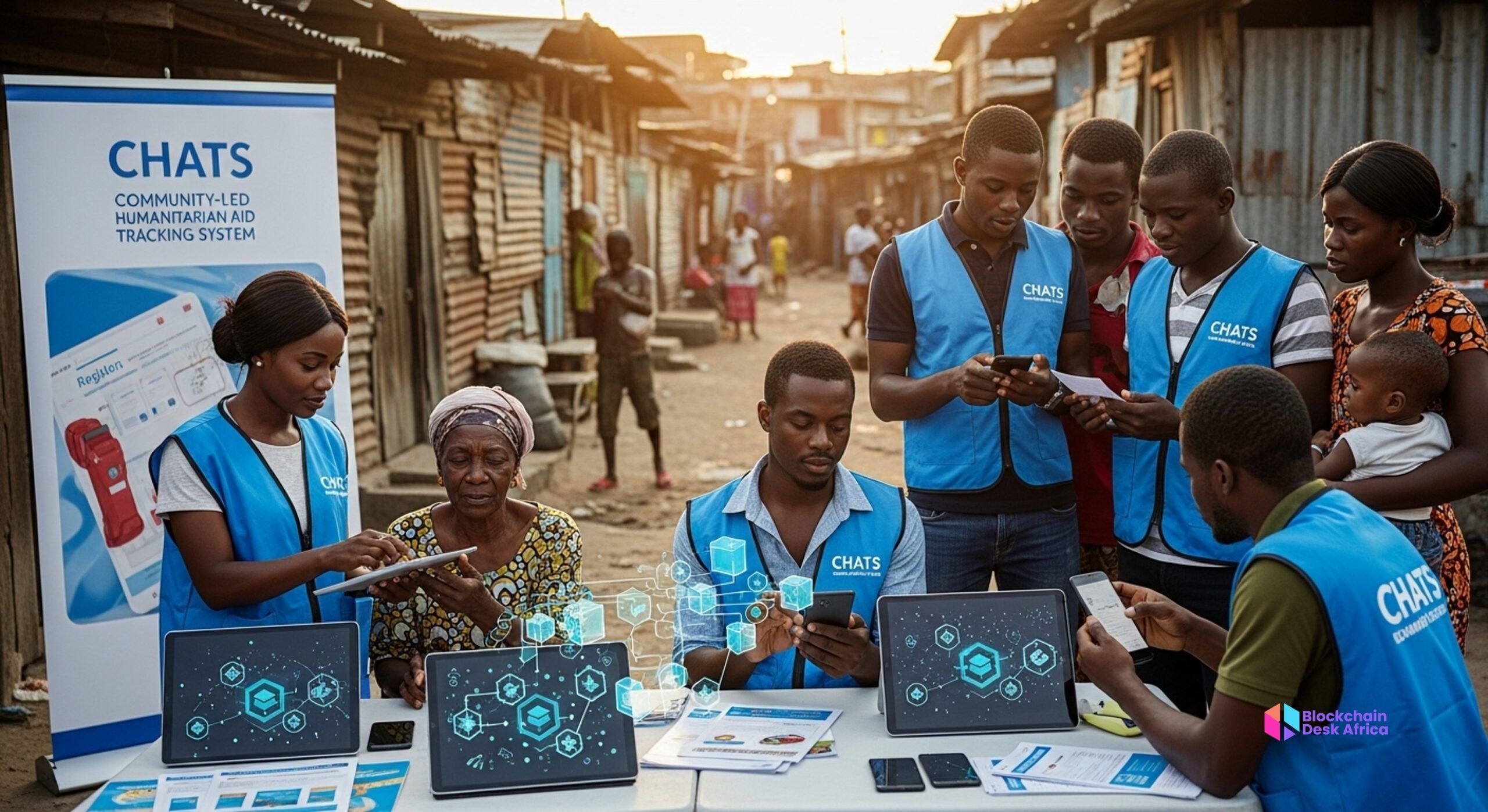
One standout example is the solution created by Convexity Technologies Limited: the CHATS (Convexity Humanitarian Aid Transfer Solution) platform. Designed for transparency and accountability in humanitarian aid, CHATS is changing how assistance reaches vulnerable communities.
Life on the Margins, Makoko, Lagos
On the fringes of Lagos, tucked along the lagoon and beneath the rumble of the city’s high rises, lies Makoko, often called the “Venice of Africa” yet far removed from the tourist view you imagined. One third of this community is built on stilts above the water of Lagos Lagoon while the rest sprawls across swampy land.

Source:CNN
Residents live in narrow wooden homes, move around by canoe, and face daily realities most Nigerians rarely think about: the water where children play is the same water that carries household waste. Schools flood, sanitation is sparse, and clean drinking water is a luxury.
In Makoko, where population estimates climb into the hundreds of thousands, the means of transportation are canoes and the lifeblood is fishing and informal trade. Communities survive with resilience but stay vulnerable to disease, flooding and neglect from formal systems.
How CHATS is Making a Difference in Makoko
In that fragmented setting, through the Convexity Humanitarian Aid Transfer Solution( CHAT), donors from Asia and the United States funded a tangible set of interventions that changed daily life in Makoko. CHATS was used to provide :
- School supplies distributed to children living in Makoko: bags, books, and uniforms.
- A new school was built in the community, designed to serve thousands of children, offering a more reliable foundation for education.
- Cash-for-work programmes where local construction workers in Makoko are paid via digital wallets through the CHATS system. That means local people are actively building their own community infrastructure.
- Volunteer teachers receive monthly stipends through digital wallets, changing education from an unpaid sacrifice to a paid service.
- Food relief for elderly women and widows, distributed via a system where every handover is tracked, ensuring the right people receive the right support at the right time.
What makes CHATS different is its emphasis on visibility. Every donation, every distribution, every beneficiary is recorded and verifiable. Donors see impact, and communities receive dignity not just hand-outs.
About CHATS
Convexity Humanitarian Aid Transfer Solution(CHATS) is a purpose-driven platform that combines blockchain technology with humanitarian aid distribution. It is built by Convexity, using blockchain technology to record every step of aid distribution.
The system supports different types of delivery: cash, vouchers, digital wallets, and even offline options for areas with poor connectivity.
Convexity developed CHATS to solve a major problem: for years, large portions of humanitarian aid never actually arrived at the frontlines. With CHATS, the journey of aid becomes visible.
Blockchain’s Role and Nigeria’s Adoption
Blockchain in humanitarian aid is not about flashy tech. It’s about transparency, speed and reducing waste. When platforms like CHATS use blockchain, funds and resources are traceable, and local partners can implement without excessive overhead or corruption risk.
In Nigeria, this kind of tool fits particularly well. With many communities underserved by formal systems, the ability to deliver aid directly and accountably is a game-changer. Nigerian organisations and innovators are recognising this, building platforms, piloting projects and collaborating across sectors.
What started as a concept, “use blockchain for good”, is becoming real in places like Makoko. The transparency that donors and NGOs demand meets the needs of communities that require consistent, measurable support.
Closing Thoughts
The introduction of CHATS and blockchain-based aid distribution isn’t a luxury, it’s a lifeline innovation. It means a child gets books on time. A teacher receives their allowance. A widow gets food when she needs it.
Technology alone won’t solve all the problems. It won’t automatically fix sanitation, eliminate flooding or erase neglect. But it can change the system of aid, how it flows, who receives it, and how we prove it worked.
Read also: Western Union Unveils USDPT Stablecoin on Solana Blockchain