
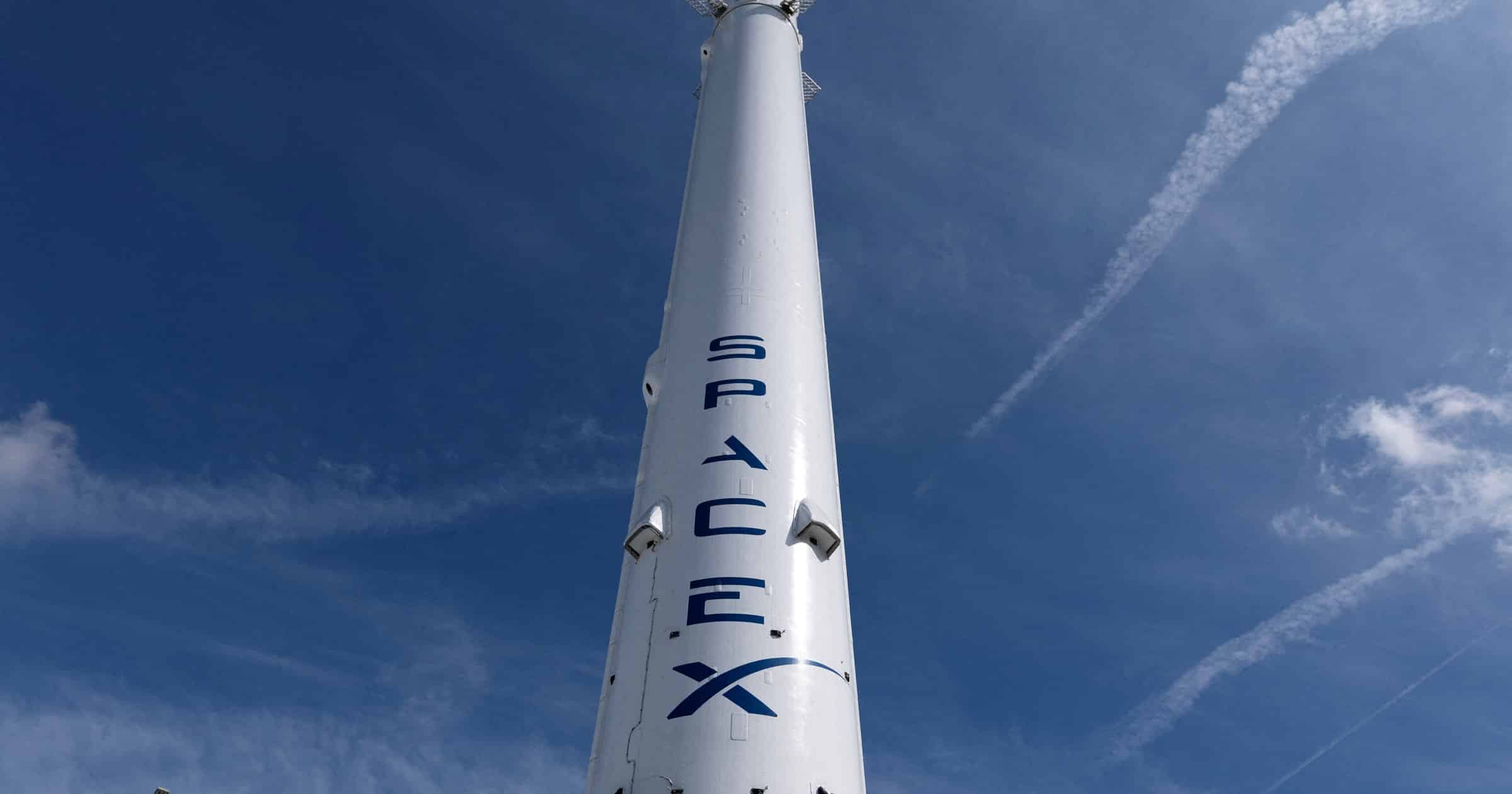
SpaceX is once again at the center of market speculation, this time not in traditional finance, but on blockchain-based prediction platforms.
Traders on Polymarket and Ventuals are assigning Elon Musk’s aerospace company an onchain implied valuation of around $2 trillion in the event of a future initial public offering, according to data cited by CoinDesk. The figure reflects aggregated market sentiment rather than an official valuation.
The contracts being traded allow users to bet on SpaceX’s potential market capitalisation once it eventually goes public. As of June 11, 2026, participants across both platforms appear to be converging around the $2 trillion mark, signaling strong expectations of a high-value listing if and when an IPO occurs.
SpaceX remains privately held and has not confirmed any timeline for going public. However, persistent activity on prediction markets suggests traders believe an IPO is increasingly likely over the medium term.
Prediction markets like Polymarket and Ventuals operate by letting users buy and sell contracts tied to real-world outcomes. Prices move based on collective probability, effectively turning speculation into a tradable market signal.
Polymarket runs on the Polygon blockchain, while Ventuals is built on Ethereum. Both platforms have expanded in visibility over the past two years as traders use them to track sentiment around elections, macroeconomic events, and major corporate milestones.
The appeal of these platforms lies in transparency. All transactions are recorded onchain, offering an open view of how sentiment evolves over time compared to traditional forecasting tools that rely on private data or institutional models.
Beyond market mechanics, the SpaceX speculation also highlights broader expectations around the company’s future growth. If Starlink and its rocket programme continue scaling globally, investors believe SpaceX could enter public markets as one of the largest listings in history.
If a $2 trillion valuation were achieved, SpaceX would rank alongside Apple, Microsoft, and Nvidia among the world’s most valuable companies.
SpaceX’s Starlink service has already expanded into several African markets, including Nigeria, Kenya, Rwanda, and Mozambique, helping address long-standing gaps in broadband access and rural connectivity.
A successful IPO could accelerate capital inflows into Starlink’s global expansion strategy, particularly in regions where demand for affordable, high-speed internet continues to grow.
At the same time, African investors with exposure to global equity markets may view a potential SpaceX listing as a high-profile addition to international tech portfolios, depending on accessibility and regulatory approvals.
Regulatory pressure on prediction markets
Despite rising adoption, prediction platforms continue to face regulatory scrutiny. In the United States, authorities have challenged certain event-based trading products, limiting access for domestic users while platforms expand internationally.
Even so, platforms like Polymarket have maintained strong global traction, particularly in markets where traditional forecasting tools and derivatives products are less accessible.
For now, SpaceX has not commented on the prediction market activity. The company has previously indicated that any IPO decision would depend on the maturity and profitability of its Starship programme.
Until then, the $2 trillion figure remains what it is today: not a valuation, but a reflection of how the market thinks the future might look.
Read also: XRP holds above $1.10, but traders are still not convinced