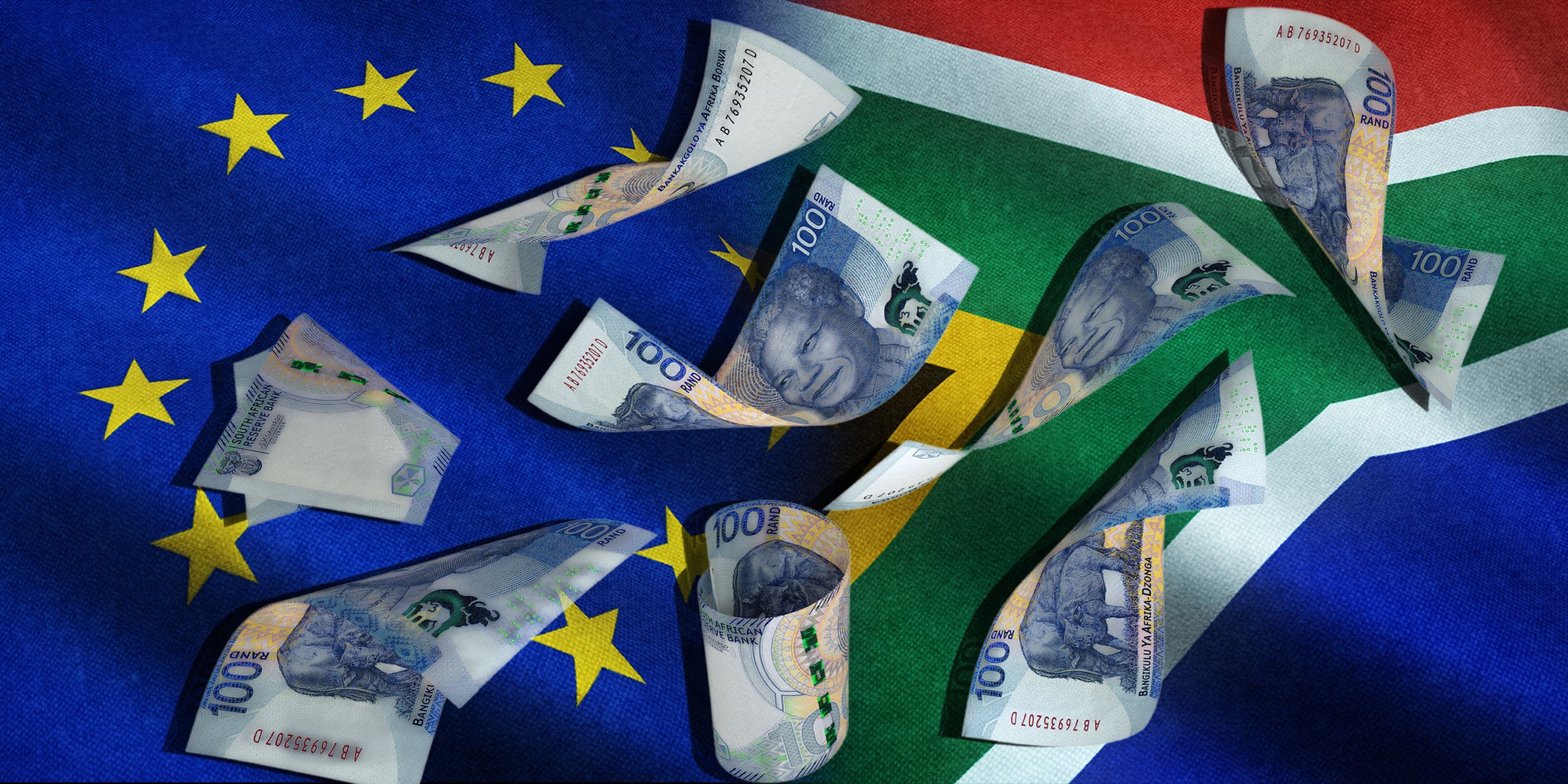
South Africa has been removed from the European Union’s list of high-risk jurisdictions for anti-money-laundering and counter-terrorism financing concerns, following sustained improvements in the country’s financial oversight and regulatory enforcement.
The decision, announced by the European Commission, is scheduled to take effect on January 29, 2026, and signals renewed confidence in South Africa’s ability to detect, prevent, and respond to illicit financial activity. As a result, European financial institutions will no longer be required to apply enhanced due diligence measures by default when dealing with South African entities.
For several years, South Africa’s presence on the EU list had added friction to cross-border transactions. Banks and payment providers were obligated to conduct additional checks, increasing compliance costs and slowing international payments.
These requirements often discouraged investment and complicated trade relationships with European partners.
The EU’s move follows a series of regulatory reforms implemented by South African authorities, including updates to anti-money-laundering legislation, tighter supervision of financial institutions, and stronger coordination among enforcement agencies. These efforts were aimed at aligning the country’s financial system with international standards set by global watchdogs.
South Africa’s delisting also builds on its earlier removal from the Financial Action Task Force (FATF) greylist, a development that marked a turning point in the country’s standing within the global financial system. Together, these milestones suggest that regulators have made meaningful progress in closing previously identified gaps. From a market perspective, the EU’s decision is expected to ease transactional bottlenecks and improve confidence among foreign investors and international banks.
Analysts note that reduced compliance burdens could help normalise correspondent banking relationships and support increased capital flows into the country.
Despite the positive development, South African officials have emphasised that the work is ongoing. Regulatory bodies are expected to maintain reforms and continue strengthening enforcement as part of preparations for future international assessments.
For now, the EU’s decision represents a significant step toward restoring South Africa’s credibility in global finance and reducing barriers to international economic engagement.
Read also: NALA Expands Cross-Border Payments With Stablecoin Settlement Network