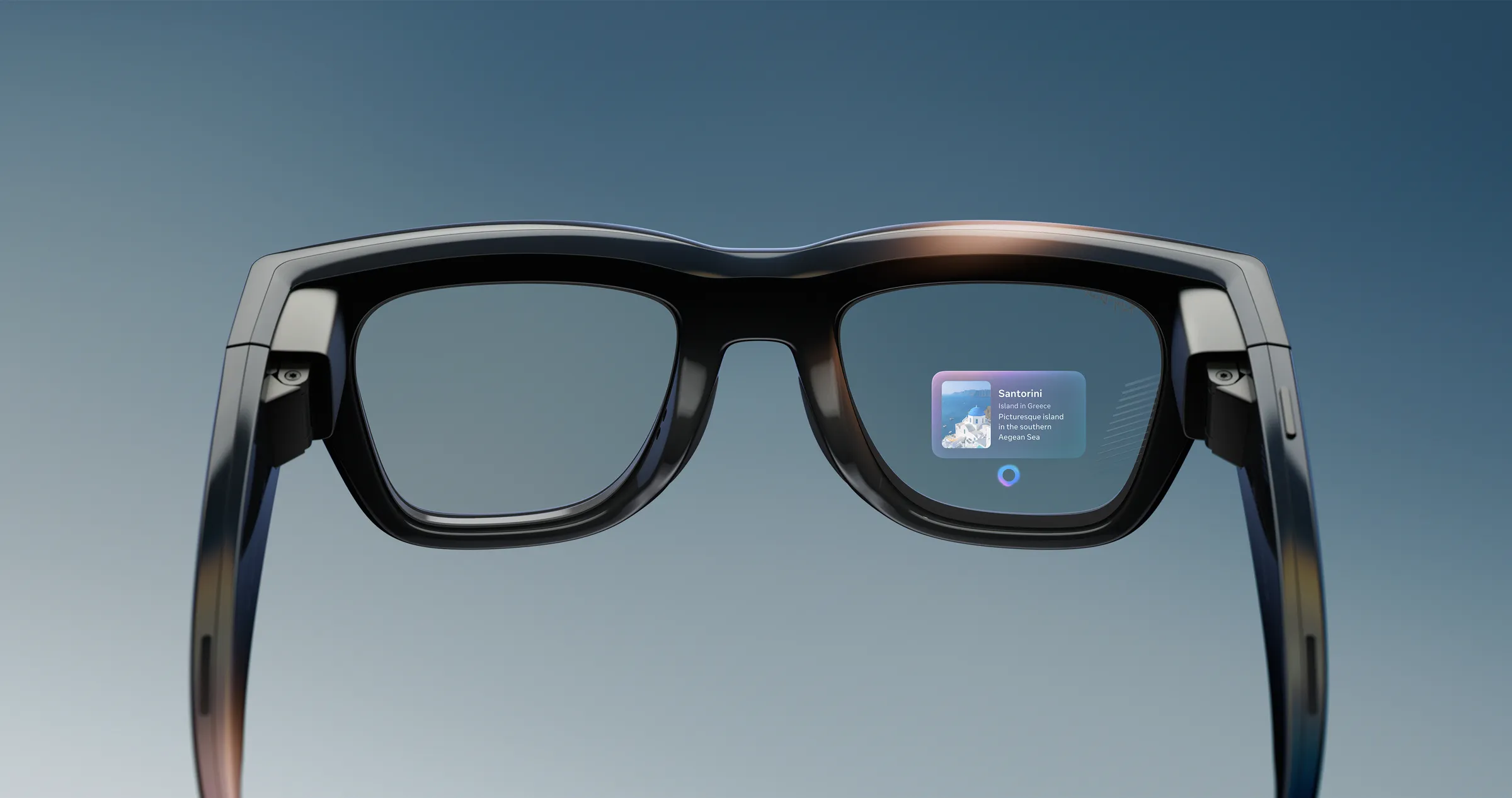
Meta, the parent company of Facebook, Instagram, and WhatsApp, is recalibrating its long-term strategy after years of heavy spending on the metaverse with limited commercial return. The company’s virtual-reality projects have reportedly generated tens of billions of dollars in losses, prompting top leadership to pivot toward artificial intelligence (AI) and hardware that supports practical use cases such as smart eyewear.
Sources close to the company indicate that Meta’s management is considering meaningful budget cuts for its metaverse group , potentially reducing that division’s spending by up to 30 percent in 2026. These reallocations are designed to strengthen AI development and next-generation devices like Ray-Ban Meta smart glasses rather than sustaining large, long-term metaverse bets.
The metaverse , once the centerpiece of CEO Mark Zuckerberg’s vision and a key reason for renaming Facebook to Meta ,has struggled to become a significant revenue driver. Meta’s virtual-reality headsets and digital hubs have lagged in user engagement and commercial traction, even after years of investment.
Meanwhile, AI has become a central focus internally. Meta is investing heavily in building advanced AI models, expanding its AI teams, and integrating intelligence across its platforms and devices. This includes support for generative AI features and tools that make everyday interactions on Facebook, Instagram, and WhatsApp smarter and more engaging.
On the hardware side, AI-powered smart glasses produced with partner EssilorLuxottica under the Ray-Ban brand have demonstrated strong consumer interest, with millions of units sold and significant growth compared with some earlier metaverse products. This market momentum, along with rising demand for wearable computing that blends the digital and physical worlds, is driving Meta’s renewed emphasis on practical devices tied directly to user needs.
Industry observers see this shift not as abandoning the metaverse entirely, but as a more cautious and commercially realistic approach: focus on technology that shows clearer demand today , AI models and wearable hardware , while still keeping an eye on long-term visions.
Read also: SiBAN Elects New Executive Council to Boost Nigeria’s Digital Economy