
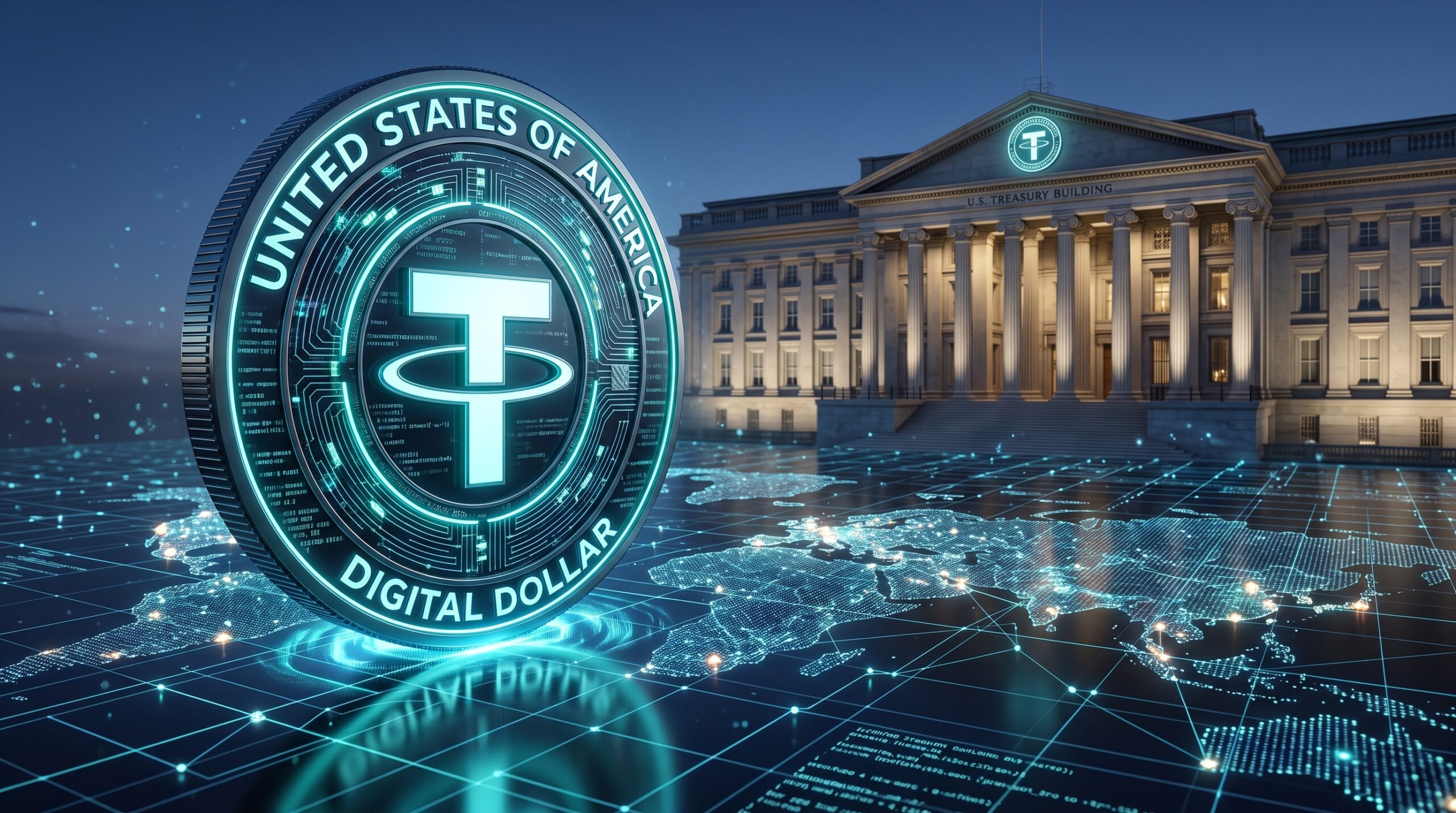
The United States government is considering a plan to expand the use of dollar-backed stablecoins outside the country through partnerships with private companies, according to a Bloomberg report. The proposal could involve the U.S. Treasury Department, State Department and International Development Finance Corporation (DFC).
The initiative would support Washington’s efforts to preserve the dollar’s position in global finance while potentially creating additional demand for U.S. government debt. However, the plan remains under consideration, and no formal programme, participating companies or implementation timeline has been announced.
People familiar with the discussions told Bloomberg that the U.S. government is examining joint ventures with private-sector companies to support stablecoin projects in overseas markets.
The potential involvement of the DFC would give the initiative a development-finance component. The agency supports private-sector investment in international markets and could potentially participate in projects aligned with U.S. economic or foreign-policy interests.
The precise structure of the partnerships remains unclear. The report does not identify the companies that could participate, the countries being considered or how the government would finance the proposed ventures.
The White House and Treasury Department did not provide specific comments on the reported discussions, while representatives of the State Department and DFC declined to comment.
Stablecoins could increase demand for US Treasuries
Dollar-backed stablecoins are digital tokens designed to maintain a value linked to the U.S. dollar. Issuers generally hold reserves such as cash and short-term U.S. Treasury securities to support the tokens and meet redemption requests.
If more users and businesses outside the United States begin using these stablecoins for payments, savings or digital-asset transactions, issuers could need additional reserve assets. This could create more demand for Treasury bills and other short-term government securities.
The reported proposal therefore connects stablecoin adoption with two objectives: expanding the international use of the dollar and increasing the pool of potential buyers for U.S. government debt.
However, greater stablecoin adoption would not automatically translate into a corresponding increase in net Treasury demand. The impact would depend on how issuers manage their reserves, where the funds come from and whether stablecoins replace existing dollar-based financial instruments.
Proposal builds on existing US crypto policy
The potential initiative follows the Trump administration’s wider support for dollar-backed stablecoins.
The administration has previously presented privately issued dollar stablecoins as a way to strengthen the dollar’s international role. The GENIUS Act, signed into law in 2025, established a federal framework for payment stablecoins and introduced reserve requirements for eligible issuers.
Treasury Secretary Scott Bessent has also linked stablecoin growth to the dollar’s reserve-currency position and demand for U.S. Treasury securities.
The new discussions would move beyond domestic regulation by exploring ways for the U.S. government to encourage stablecoin activity in international markets.
Global competition in digital payments
The proposal comes as other major economies develop alternative digital payment systems and frameworks for digital currencies.
China is involved in Project mBridge, a cross-border payment initiative involving multiple central banks, while the European Union continues work on its digital euro project and broader digital-asset regulations.
A stronger international presence for dollar-backed stablecoins could give U.S. financial and technology companies a larger role in emerging payment infrastructure. It could also raise concerns among other governments about dependence on privately issued dollar-based instruments and the potential effects on domestic monetary systems.
The reported U.S. plan has not yet progressed to a confirmed government programme. Its eventual impact will depend on whether Washington establishes formal partnerships, which markets are targeted and how other countries respond to the expansion of dollar-based digital payments.
Read also: NYSE, Blockchain.com Team Up on Tokenized Stock Trading