
Introduction
For many crypto users, spending digital assets is often harder than earning or holding them.
Stablecoins have become a popular way to receive international payments, preserve value, and move money across borders. Yet when it’s time to pay for groceries, subscribe to a streaming service, withdraw cash, or shop online, users frequently have to convert those assets through multiple platforms before they can actually spend them.
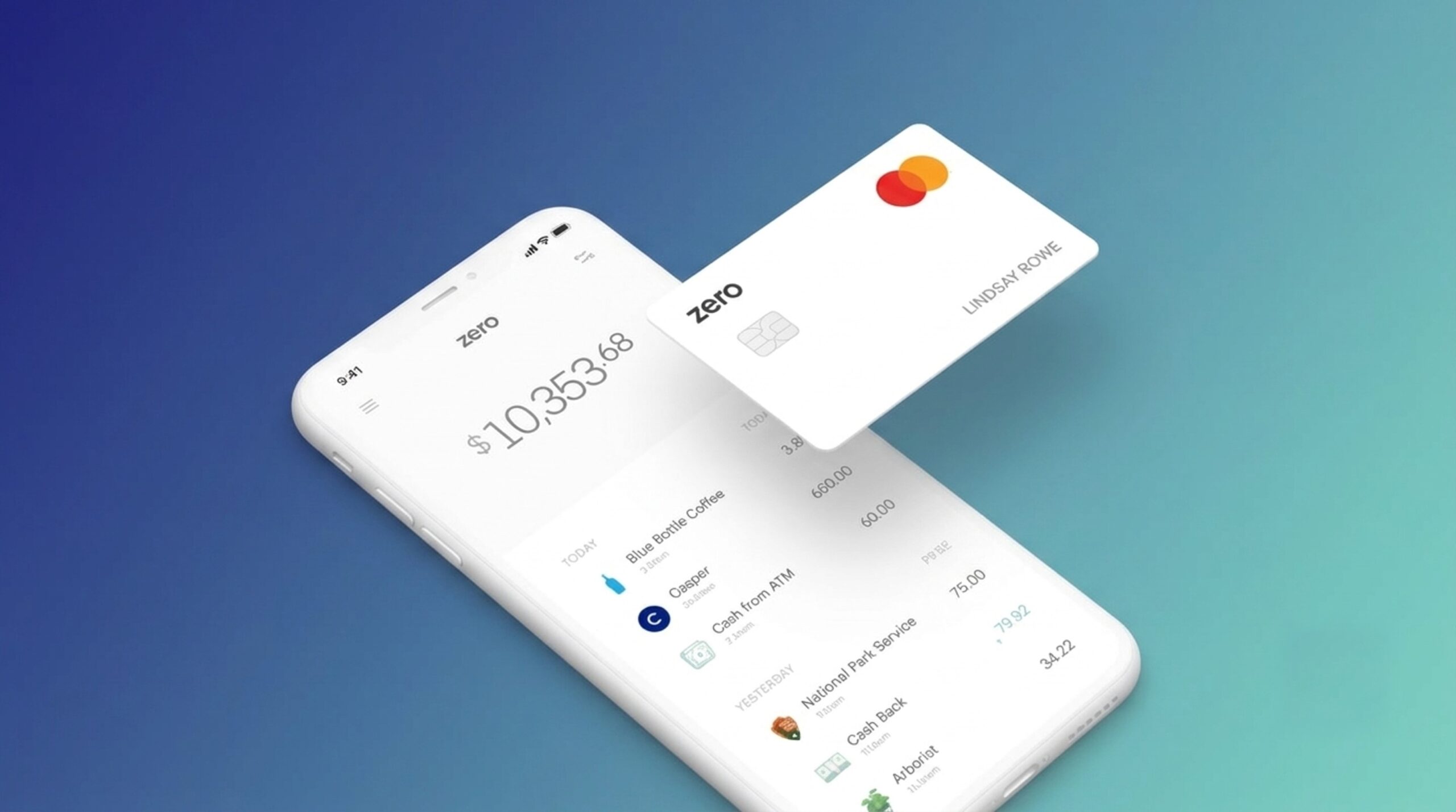
ZeroCard is built around reducing that friction. Developed by Notzero Technologies Limited, ZeroCard combines a crypto wallet, virtual and physical payment cards, and cross-border transfer capabilities into a single platform. Instead of treating cryptocurrency as an investment alone, it focuses on helping users use digital assets for everyday financial activities. According to the company, users can fund their wallets with supported stablecoins, spend through their cards, send money internationally, and manage their crypto from one mobile application.
That approach reflects a broader shift within the digital asset industry. Increasingly, blockchain products are moving beyond trading and speculation toward practical financial services that fit into everyday life. Rather than asking users to understand the technical details of blockchain, platforms like ZeroCard aim to make crypto feel as straightforward as using a traditional payment app.
What is ZeroCard?
ZeroCard is a crypto-powered payments platform designed to help users move more easily between digital assets and everyday spending.
At its core, the platform combines three services into one application: a crypto wallet for holding supported digital assets, payment cards for online and in-store purchases, and cross-border money transfers. Rather than requiring users to move funds across multiple apps before they can spend them, ZeroCard aims to bring those services together in a single experience.
The platform currently supports major stablecoins, including USDT and USDC, allowing users to fund their wallets with digital dollars before using those balances for eligible transactions. By focusing on stablecoins instead of more volatile cryptocurrencies, ZeroCard positions itself as a practical payment tool rather than an investment platform. Stablecoins maintain a relatively stable value, making them more suitable for everyday purchases and international transfers.
While the underlying infrastructure relies on blockchain technology, the user experience is designed to feel familiar. Users interact with a mobile app where they can manage their balances, request payment cards, transfer funds, and monitor transactions without needing to understand wallet addresses, private keys, or the technical details behind blockchain settlement.
That simplicity is one of ZeroCard’s defining characteristics. The platform is less concerned with introducing users to cryptocurrency and more focused on helping existing crypto holders use their assets in everyday financial situations.
How ZeroCard works
Getting started with ZeroCard follows a process that will feel familiar to anyone who has used a digital banking or fintech application.
After creating an account and completing the required identity verification, users can access a crypto wallet within the app. Supported stablecoins can then be deposited into the wallet, creating a balance that can be used across the platform’s services.
They can apply for a virtual card for online purchases or, where available, request a physical payment card for in-store spending. Instead of first converting crypto through an exchange and transferring the proceeds to a bank account, the platform is designed to make those funds available for eligible card transactions more directly.
ZeroCard also supports international transfers, allowing users to send money across borders using the assets held within the platform. While the exact transfer experience depends on the destination and supported payment channels, the broader objective is to make moving money internationally faster and less complicated than relying solely on traditional banking systems.
Throughout the experience, the app acts as a single dashboard where users can view their balances, monitor transactions, manage their cards, and access the platform’s payment features. By bringing these services together, ZeroCard reduces the need to switch between separate wallets, exchanges, banking apps, and card providers.
In practice, the platform is designed for people who already use stablecoins and want a simpler way to spend, transfer, and manage those assets without leaving the crypto ecosystem.
Key features
ZeroCard’s appeal lies less in the number of features it offers and more in how those features work together. Instead of positioning itself as just a crypto wallet or just a virtual card provider, the platform brings together several tools that help users move from holding digital assets to actually using them.
Crypto wallet
The wallet serves as the foundation of the platform. Users can deposit supported stablecoins, including USDT and USDC, and manage their balances directly within the app. By centring the experience around stablecoins rather than highly volatile cryptocurrencies, ZeroCard focuses on assets that are generally more practical for payments and transfers.
For users who already receive salaries, freelance payments, or remittances in stablecoins, this means they can keep their funds in one place before deciding how they want to use them.
Virtual and physical payment cards
Perhaps the platform’s biggest selling point is its payment card offering.
ZeroCard provides virtual cards for online transactions and also offers physical cards in supported regions. This gives users a way to spend their crypto-backed balances on everyday purchases, whether paying for streaming subscriptions, software tools, online shopping, or purchases at physical merchants that accept card payments.
The practical value here is convenience. Rather than moving funds from a crypto wallet to an exchange, converting them, and then transferring them to a bank account before making a purchase, users can manage much of that experience from within a single platform.
For people who regularly pay for international digital services, that can remove several unnecessary steps from the payment process.
Cross-border transfers
Cross-border payments remain one of the strongest use cases for blockchain technology, and ZeroCard incorporates this into its platform.
Users can send supported digital assets to other users or across supported payment channels, providing an alternative to traditional international transfers that can involve higher fees or longer settlement times.
For freelancers, remote workers, and families sending money across countries, the ability to move funds quickly is often more important than having access to a long list of investment products.
Simple account management
A feature that receives less attention—but plays an important role—is the app’s unified dashboard.
Instead of switching between different applications to monitor wallet balances, card activity, and transfers, users can manage these functions from one interface. Transaction history, account information, and payment tools are presented in a way that feels closer to a modern fintech app than a traditional crypto wallet.
That simplicity makes the platform more approachable, particularly for users who are comfortable using stablecoins but are less interested in navigating the technical aspects of blockchain.
User experience
The interface is designed around common financial tasks, funding a wallet, viewing balances, sending money, and managing payment cards, rather than exposing users to blockchain terminology at every step. This approach lowers the learning curve and makes the platform easier to navigate for people who simply want to use digital assets in their daily financial lives.
The decision to bring wallets, cards, and transfers into one application also contributes to a smoother experience. Instead of relying on separate services for each task, users can complete much of their day-to-day financial activity without leaving the app.
That said, the overall user experience will ultimately depend on factors such as card availability, supported countries, transaction reliability, customer support, and continued product development. As a relatively new platform, these are areas that prospective users should monitor as ZeroCard expands its services.
The unique value behind ZeroCard
ZeroCard enters a growing market where several companies are trying to bridge the gap between crypto and everyday payments. What helps it stand out is its focus on simplicity.
Rather than overwhelming users with trading features or complex blockchain tools, the platform is built around a straightforward idea. If people receive or hold stablecoins, they should be able to spend them as easily as they would money in a traditional bank account.
Bringing a crypto wallet, payment cards, and cross-border transfers into one application also reduces friction. Users don’t have to juggle multiple platforms just to move from receiving digital assets to spending them, making the experience more convenient for freelancers, remote workers, and people who regularly transact across borders.
Another positive is the platform’s emphasis on stablecoins. By supporting USDT and USDC, ZeroCard centres its payment experience on digital assets that are widely used for international transfers and are less volatile than many cryptocurrencies. That makes the platform more practical for day-to-day financial activities than products focused primarily on speculative trading.
The app’s clean interface is another strength. Its design prioritises common financial tasks over technical blockchain concepts, making it approachable for users who may be comfortable with digital assets but don’t necessarily consider themselves crypto enthusiasts.
The challenges ahead
As a relatively new platform, ZeroCard is still building its presence, and that naturally comes with some limitations.
One challenge is the amount of publicly available information. Compared with more established fintech and crypto payment companies, there is currently less independent reporting on the platform, its roadmap, and its long-term performance. For prospective users, this means relying largely on the company’s official documentation while the product continues to mature.
Geographic availability is another consideration. Payment cards, supported services, and regulatory requirements can vary by country, so not every feature may be available to every user. Anyone considering the platform should verify which services are supported in their region before signing up.
Like every platform operating at the intersection of digital assets and payments, ZeroCard must also navigate evolving regulations. As governments continue to develop policies around cryptocurrencies and stablecoins, maintaining compliance across different jurisdictions will remain an ongoing responsibility.
ZeroCard competes in an increasingly crowded segment of the digital asset industry, but its positioning is slightly different from many alternatives.
Platforms such as RedotPay and the Bybit Card also allow users to spend digital assets through payment cards, while products like Bitnob combine Bitcoin-based financial services with cross-border payments. Each platform approaches the market from a different angle, with varying levels of support for cryptocurrencies, payment methods, and geographic coverage.
ZeroCard’s focus is less on offering an extensive range of crypto services and more on creating a straightforward payment experience built around stablecoins. For users who primarily want to receive, hold, transfer, and spend USDT or USDC, that simplicity may be an advantage.
However, people looking for advanced trading tools, staking, or a broader selection of digital assets may find that exchange-based platforms better suit their needs. Ultimately, the right choice depends on what users expect from their crypto payment solution.
Closing thoughts
ZeroCard reflects an important shift in the digital asset industry. As cryptocurrency adoption matures, the conversation is gradually moving away from buying and trading tokens toward using them in everyday financial life.
The platform embraces that direction by focusing on utility rather than speculation. Its combination of a stablecoin wallet, payment cards, and cross-border transfers offers a practical way for users to bridge the gap between holding digital assets and spending them.
While the product is still developing and has less public track record than some established competitors, its core proposition is clear. By simplifying how stablecoins are stored, transferred, and spent, ZeroCard is positioning itself as a payment platform rather than simply another crypto application.
For users who already rely on stablecoins for international payments or digital commerce, ZeroCard presents an interesting option worth watching. Its long-term success, however, will depend on continued product development, broader ecosystem support, regulatory compliance, and its ability to deliver a reliable payment experience as it scales.