
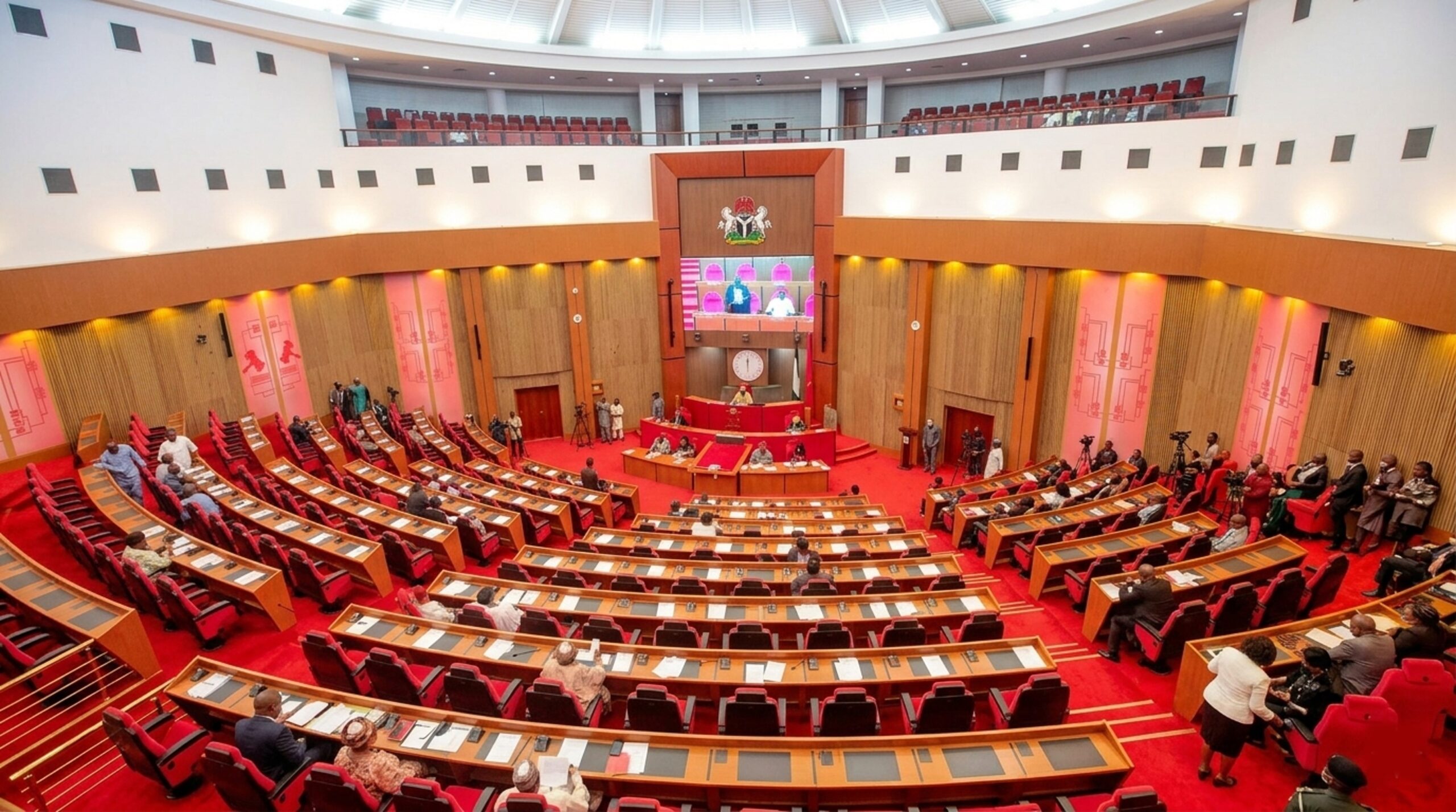
Nigeria’s Senate has advanced a bill that could establish the country’s most comprehensive legal framework yet for cryptocurrency transactions and digital asset service providers, signaling growing regulatory recognition of the sector.
The proposed Virtual Asset Service Providers Regulation Bill, 2026, passed second reading in the Senate on Tuesday, moving one step closer to becoming law. The legislation seeks to regulate cryptocurrency activities, digital assets, and the businesses operating within the ecosystem.
If enacted, the bill would introduce licensing requirements, compliance standards, and transparency obligations for cryptocurrency exchanges and other Virtual Asset Service Providers (VASPs) operating in Nigeria. The framework is expected to provide clearer rules for businesses while strengthening oversight of the rapidly growing digital asset industry.
The development comes as Nigeria continues to rank among the world’s most active crypto markets despite years of regulatory uncertainty. While digital asset adoption has surged among individuals and businesses, the sector has often operated in a grey area, with different regulators taking varying approaches to oversight.
The proposed legislation reflects a broader shift in how governments are approaching digital assets. Rather than attempting to restrict cryptocurrency activity outright, regulators in many jurisdictions are increasingly focusing on licensing, consumer protection, anti-money laundering compliance, and operational standards for service providers.
The bill could help address longstanding concerns around investor protection, market integrity, and regulatory clarity. Industry stakeholders have repeatedly argued that clear rules are essential for attracting investment, encouraging innovation, and supporting the growth of blockchain-based businesses.
The move also follows several regulatory developments in Nigeria’s digital asset sector over the past two years, including efforts by the Securities and Exchange Commission to establish licensing frameworks for digital asset operators and strengthen oversight of the market.
The bill will now proceed to the committee stage, where lawmakers are expected to review its provisions in greater detail before it can return to the Senate for further consideration.
If ultimately signed into law, the legislation could mark a significant milestone in Nigeria’s efforts to create a structured regulatory environment for cryptocurrencies and digital assets, bringing one of Africa’s largest crypto markets closer to a dedicated legal framework.
Read also: UNDP launches blockchain advisory group with industry leaders